How Incorrect Cutting and Bending Can Affect TMT Bar Performance
When it comes to constructing a strong and durable building, choosing the right TMT steel bars is only half the job. How these bars are handled at the construction site matters just as much. Cutting and bending are two common processes that shape TMT bars to meet structural requirements. However, when these processes are carried out incorrectly, they can affect the strength, flexibility, and overall performance of the steel.
You might have invested in premium steel bars, followed the structural design, and planned every detail carefully. But a small mistake during cutting or bending could compromise the quality of the reinforcement. So, what exactly happens when TMT bars are not handled correctly? And how can you avoid these mistakes? Let’s take a closer look.
Why Are Proper Cutting and Bending Important?
TMT bars are designed to provide strength and flexibility to reinforced concrete structures. They are cut and bent into specific shapes to fit columns, beams, slabs, footings, and other structural elements.
Unlike ordinary steel rods, TMT steel bars undergo a specialised thermo-mechanical treatment process that gives them a strong outer surface and a relatively ductile inner core. This combination allows them to withstand heavy loads while offering flexibility under stress.
However, improper cutting and bending can interfere with the intended performance of these bars.
For instance, bending a bar at the wrong angle or using excessive force can create stress concentration points. Similarly, cutting a bar with unsuitable equipment can leave rough edges or damage the steel. These seemingly minor mistakes can affect how effectively the reinforcement performs once it becomes part of a concrete structure.
5 Ways Incorrect Cutting and Bending Can Affect TMT Bar Performance
1. Reduced Strength and Structural Reliability
One of the biggest concerns with incorrect cutting and bending is the possibility of damaging the reinforcement.
Using excessive force, applying heat without proper approval or bending a bar beyond the specified limits can affect its mechanical properties. This may compromise its ability to withstand the stresses it is designed for.
Remember, TMT bars are manufactured to meet specific strength and ductility requirements. Incorrect handling can undermine the benefits of these properties.
2. Cracks and Surface Damage
Have you ever noticed small cracks appearing on a steel bar after bending? They are warning signs that should never be ignored.
Bending TMT bars at very sharp angles, particularly without following the recommended bend diameter, can cause surface cracks. Repeated bending and straightening can also introduce damage.
These cracks can become potential weak points, especially when the reinforcement is subjected to heavy structural loads.
Always inspect TMT bars after bending. If you notice visible cracks, splits or other signs of damage, get the material assessed by a qualified engineer before using it.
3. Loss of Ductility
Strength alone does not determine the quality of a TMT bar. Ductility is equally important.
Ductility allows steel to deform under stress without suddenly breaking. This property plays a particularly important role in structures exposed to dynamic forces, including earthquakes.
Incorrect bending practices, repeated re-bending, and uncontrolled heating can affect the ductile behaviour of steel.
This is one reason why engineers often specify grades such as FE 550D TMT bar in Kerala projects, depending on the structural design. The ‘D’ designation indicates enhanced ductility compared with the corresponding non-D grade.
However, even high-quality steel must be handled according to recommended fabrication practices to retain its intended performance.
4. Incorrect Dimensions and Poor Reinforcement Placement
Precision matters when working with reinforcement steel.
Cutting bars shorter or longer than the required dimensions can create problems during installation. Incorrectly bent bars may also fail to fit into the reinforcement layout specified in structural drawings.
This can affect concrete cover, spacing, anchorage, and lap lengths.
For example, if a stirrup is bent incorrectly, it may not provide the intended confinement to the reinforcement in a column or beam.
These mistakes can lead to improper reinforcement placement and potentially compromise structural performance.
5. Increased Risk of Corrosion and Material Wastage
Rough cutting, damaged surfaces, and improper handling can also create conditions that increase the risk of corrosion.
While cutting a TMT bar does not automatically make it vulnerable to corrosion, damaged surfaces, exposed steel, and poor site storage practices can contribute to deterioration, particularly in humid and coastal environments.
Incorrect cutting also results in unnecessary material wastage. Bars that are cut to the wrong length or bent incorrectly may need replacement, increasing construction costs and delaying project timelines.
Quick FAQs: What Should You Know About Cutting and Bending TMT Bars?
Q1. Can TMT bars be bent more than once?
Repeated bending and straightening are generally not recommended. These processes can introduce stress and damage the steel. If a bar needs correction after bending, consult the structural engineer and follow the applicable fabrication guidelines.
Q2. Is it safe to heat TMT bars before bending?
Heating TMT bars without specific engineering approval is not advisable. Uncontrolled heating can affect their mechanical properties, including strength and ductility. Always follow the manufacturer’s recommendations and applicable standards.
Q3. Can cutting TMT bars affect their strength?
Cutting a bar to the required length using suitable equipment does not normally affect the mechanical properties of the remaining steel. However, improper cutting methods can cause physical damage, rough edges, and dimensional inaccuracies.
Q4. What is the correct way to bend TMT bars?
Use suitable bar-bending equipment and follow the specified bend diameter, angle, and fabrication requirements. Avoid sudden force, uncontrolled heating and repeated bending. Always refer to the structural drawings and relevant standards.
Best Practices to Follow While Cutting and Bending TMT Bars
Now that we understand the possible risks, let’s look at a few simple practices that can help maintain the quality of reinforcement steel at your construction site.
– Follow structural drawings: Always refer to approved structural drawings for the correct dimensions, bend angles, and reinforcement specifications.
– Use appropriate equipment: Choose suitable cutting machines and mechanical bar-bending tools to ensure accuracy and consistency.
– Avoid excessive force: Do not force bars into sharp bends or use makeshift tools that can damage the steel.
– Never heat without approval: Avoid uncontrolled heating to make bending easier, as it can affect the steel’s properties.
– Inspect after fabrication: Check for visible cracks, splits, surface damage, and dimensional errors before placing the bars.
– Store bars properly: Keep TMT bars organised and protected from prolonged exposure to moisture, soil, and other contaminants.
Most importantly, ensure that cutting and bending activities are supervised by trained workers and carried out in accordance with applicable engineering specifications.
Choosing Quality TMT Bars Makes a Difference
Good construction begins with good materials. While correct handling is essential, the quality of the TMT bars you choose also plays a major role in determining the durability and safety of your structure.
When exploring the Top TMT steel bar brands in Kerala, look beyond just the price. Consider the manufacturing standards, grade specifications, mechanical properties, and quality certifications.
The best TMT steel bar manufacturers in Kerala focus on maintaining consistent quality through controlled manufacturing processes and rigorous testing. This helps ensure that the steel delivers the required strength, ductility, and bendability.
If you are looking for premium steel bars in Kerala, make sure you choose products that meet the relevant BIS standards and are suitable for your project’s structural requirements.
For those seeking the Best Quality TMT Steel Bars in Kerala, it is equally important to verify the product grade and its suitability for the intended application. For instance, FE 550D TMT bar Kerala construction projects may specify this grade where the required strength and ductility characteristics make it suitable.
Remember, even the best steel cannot compensate for poor workmanship. The right combination of quality materials, proper fabrication, and professional supervision is what helps create a structurally sound building.
Final Thoughts
Cutting and bending might seem like routine activities at a construction site, but they have a direct impact on how reinforcement steel performs. Incorrect methods can lead to cracks, dimensional inaccuracies, reduced ductility, and unnecessary material wastage.
The solution is simple: choose quality TMT bars, follow the recommended fabrication practices and never compromise on technical specifications.
Because when it comes to building something that lasts, every detail matters. And sometimes, the strength of an entire structure depends on how carefully a single steel bar is handled.
Recent Blogs
What Is Self-Tempering in TMT Steel? Why Is It Important?
Read Now
Recycled TMT vs Iron-Ore TMT: Is Recycled Steel Just as Strong?
Read Now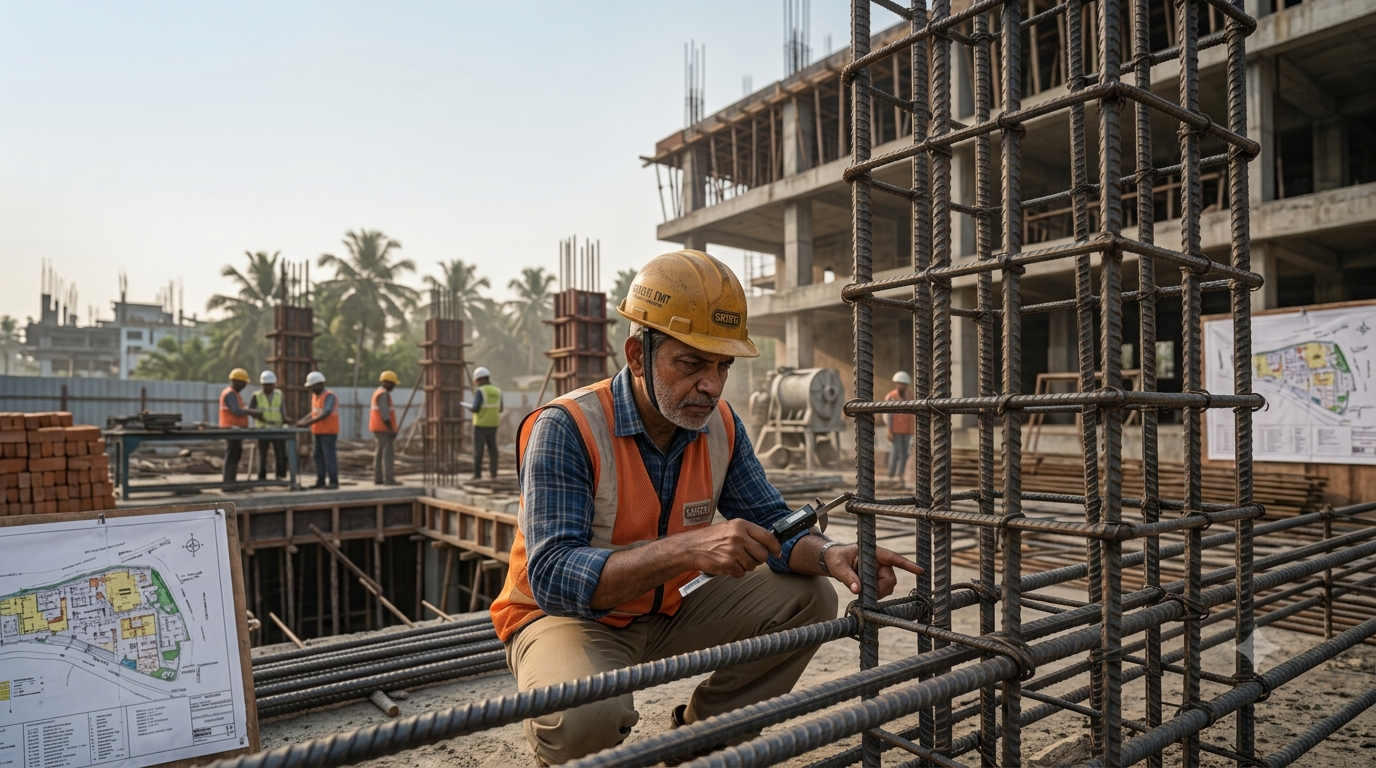
Small Bar, Big Role: Where 6mm TMT Bars Belong in Your Home
Read Now
On-Site Cutting vs. Ready-to-Use Cut & Bend Steel: What Really Saves Money?
Read Now