The Weak Link Nobody Checks: Why Your Binding Wire Matters
In any house construction plan, almost all the conversations revolve around cement and the choice of the best TMT steel bars in Kerala. The binding wire goes mostly unnoticed. This is because it is inexpensive and thin, and is often bought as an afterthought.
However, this thin wire is responsible for keeping your entire reinforcement cage in place until the concrete hardens. If this wire fails, even the best TMT bars in Kerala will not stay in the right place.
What Binding Wire Actually Does
1.Ties bars together at every crossing point so the spacing matches your structural drawing
2.Keeps the steel cage firm while workers walk on it
3.Stops bars from shifting when concrete is poured and vibrated
4.Helps keep the correct concrete cover around the steel, which protects it from rust
Why Cheap Wire Becomes a Costly Problem
Binding wire does its job before the concrete sets. Once the concrete hardens, the wire carries no load, which is precisely why it gets overlooked. But any weakness during construction gets locked into the structure permanently.
Brittle wire snaps when twisted, so ties are skipped or done poorly. Wire that is not properly annealed springs back, leaving loose joints. Thinner, cheaper wire may look economical per kg, but it needs more twists and still holds weakly. A loose cage lets bars shift during the pour, reducing concrete cover or moving them out of their designed position.
Kerala’s humid, rainy climate makes matters worse: wire left exposed on site rusts quickly, weakening the ties and bringing rust into the concrete cover zone.
How to Spot Good Binding Wire
1.Proper packaging: Sealed, labelled coils with the brand and weight printed.
2.ISI mark: Check for IS 280 certification on the pack.
3.Soft and flexible: It should twist easily without cracking.
4.Even thickness: 18 to 20 gauge is common for home construction.
5.Clean surface: There should be no rust, scaling or oily residue.
Why Your Wire Should Match Your Steel
Any trusted TMT bar manufacturer in Kerala will tell you that reinforcement works as a system. Using strong bars with weak wire is like fitting a strong lock on a weak door. If you are investing in quality TMT bars, don’t cut corners on the binding wire and cover blocks.
This is why some leading TMT steel bar manufacturers in Kerala include binding wire in their product range. Kalliyath is one such manufacturer, offering branded, ISI-certified (IS 280) binding wire alongside its Fe 550D TMT bars.
Quick On-Site Checklist
- Tie every intersection your engineer specifies; don’t skip alternate ones
- Twist ties firmly and bend the loose ends inward, away from the cover zone
- Store wire coils off the ground and under cover
- Never reuse old, rusted wire from a previous job
- Do a final walk-through of the cage before the concrete pour
Frequently Asked Questions
1. Which gauge of binding wire is best for a house?
18 to 20 gauge annealed wire is standard for most residential work. Your structural engineer will confirm the exact gauge.
2. How much binding wire do I need?
A common rough estimate is 8 to 10 kg per tonne of steel. The actual amount depends on bar size and design.
3. Does binding wire affect the strength of my building?
Not directly. It does keep the bars in their correct positions, though, and correct bar placement is what gives concrete its strength.
4. Is black annealed or galvanised wire better?
Black annealed wire is the standard choice. Galvanised wire is sometimes used where corrosion risk is very high, such as near the sea.
5. Why choose branded binding wire?
Branded wire offers consistent gauge, certified quality and clear labelling. You know exactly what you’re paying for.
Final Decision
Binding wire is a small part of your overall construction cost, but it protects everything your steel is meant to do. Don’t let it become an afterthought when it comes to quality.
Use ISI-marked, well-annealed binding wire that has been stored and secured correctly. For a reliable reinforcement system from start to finish, combine Kalliyath Binding Wire with Kalliyath TMT bars.
Recent Blogs
How Kalliyath Achieves 100% Sustainable Production
Read Now
Steel Without Mining: A Revolution in Sustainable Steelmaking
Read Now
What Are the Top Steel Industry Trends in 2026?
Read Now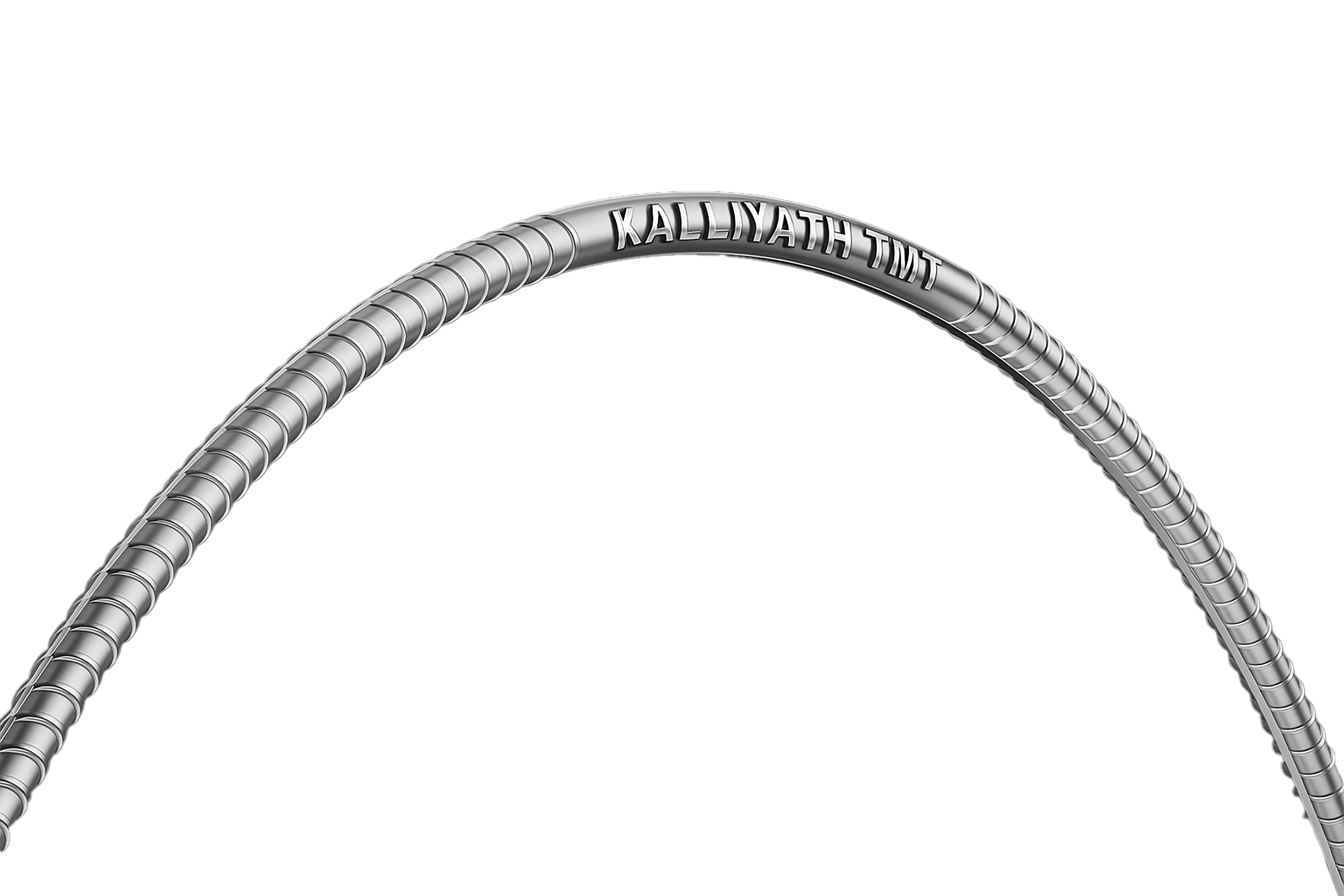
Quality Standards That Define Modern Steel Manufacturing
Read Now