What Are the Top Steel Industry Trends in 2026?
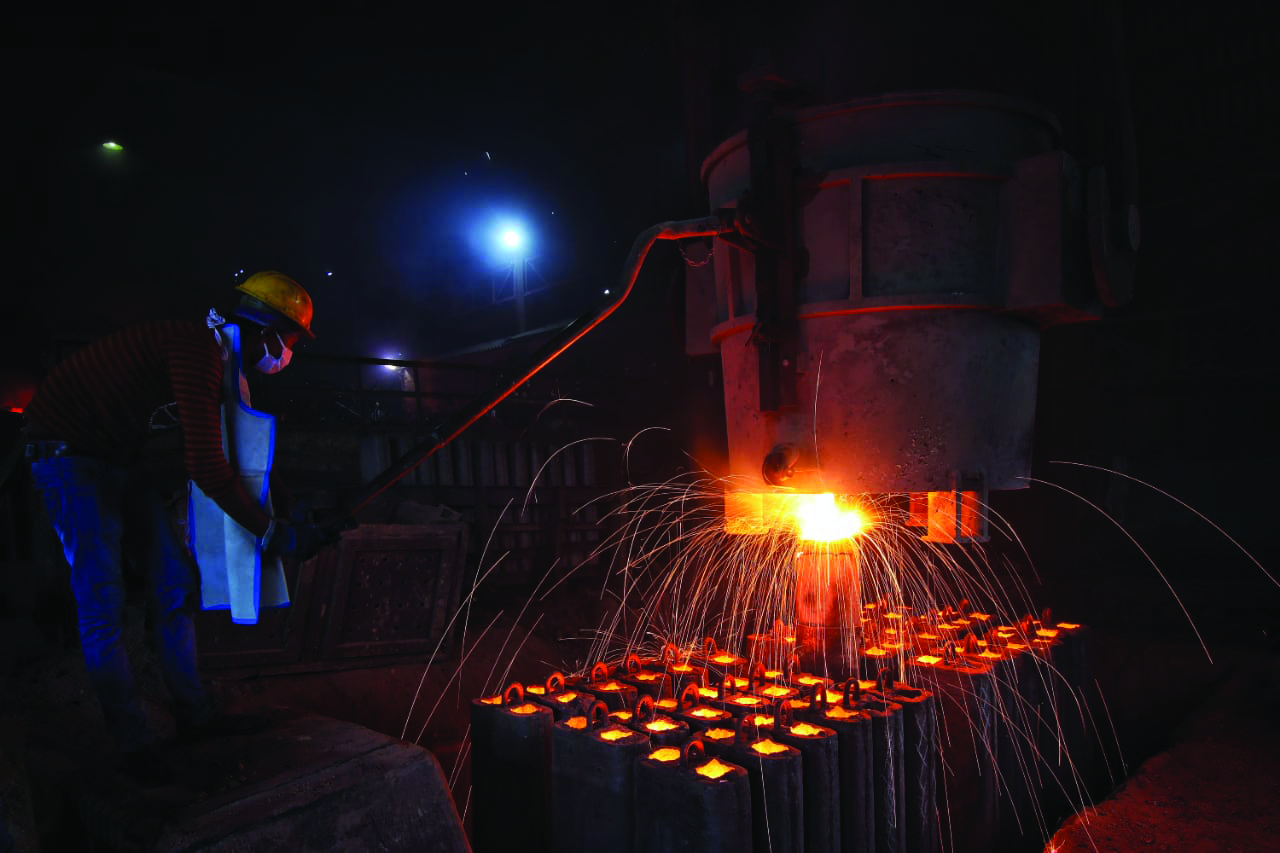
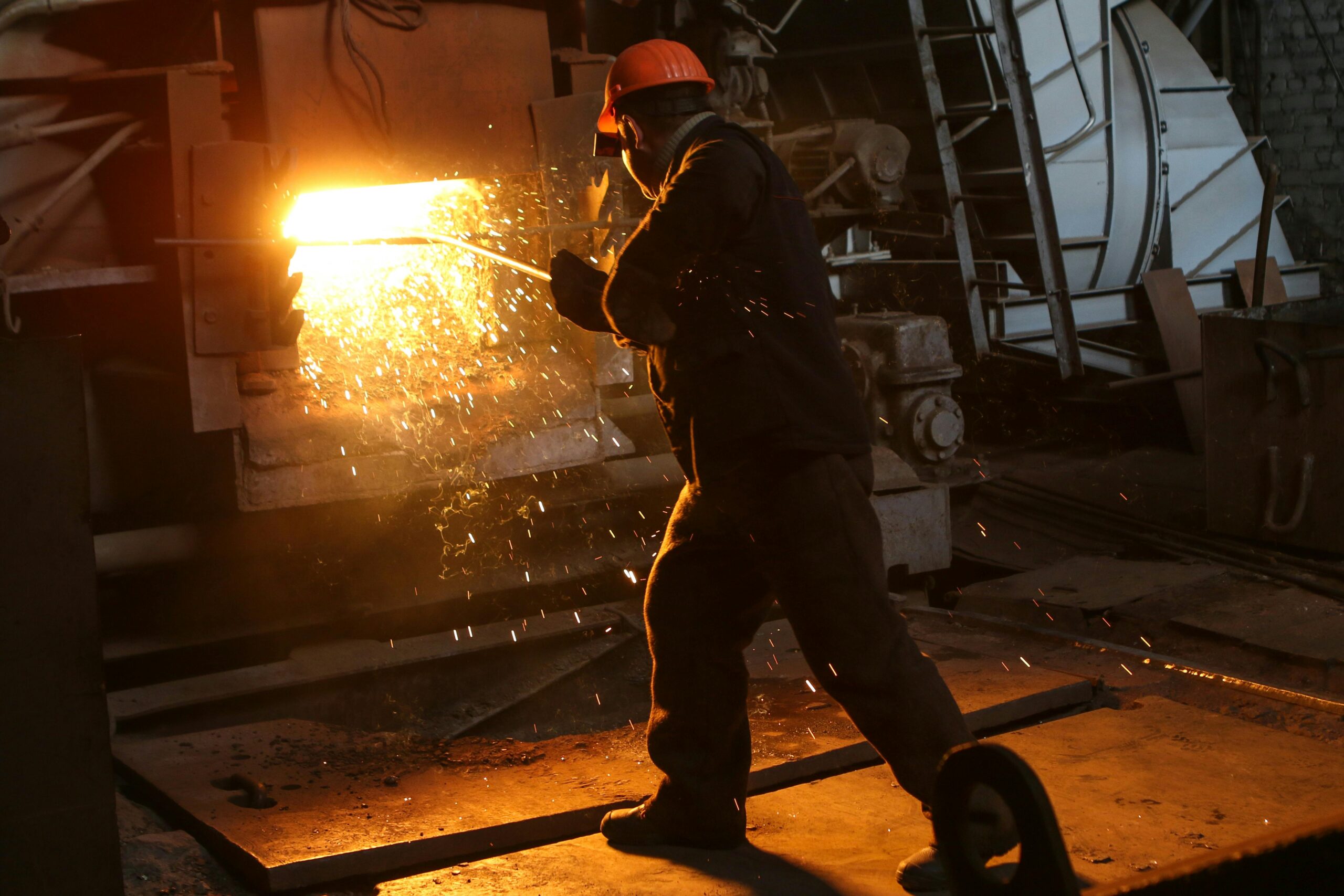
The steel industry is entering 2026 with a very different set of priorities.
For decades, the conversation around steel was largely about one thing: how much can we produce?
Today, the questions are becoming more complex.
How can steel be produced with fewer resources? How can manufacturers reduce emissions without compromising quality? How will recycled steel and new technologies change production? And how can construction steel deliver greater performance as buildings become taller, more complex, and more demanding?
These questions are reshaping the global steel industry, and the impact is being felt all the way down to the construction site.
For builders, engineers, and customers looking for TMT steel, understanding these changes can help them make better decisions about the materials they use.
Here are some of the biggest steel industry trends shaping 2026.
Quick Takeaway
- Decarbonisation is becoming one of the biggest priorities for steel manufacturers.
- Steel recycling and circular manufacturing are gaining greater importance.
- Electric Arc Furnace (EAF) technology is playing a growing role in steel production.
- Digitalisation, automation and AI are improving manufacturing and quality control.
- Higher-performance grades such as Fe 550D TMT bars are increasingly relevant for demanding construction applications.
- Energy and resource efficiency are becoming important measures of manufacturing performance.
- Steel quality is moving beyond strength alone, with ductility, weldability, consistency, and durability receiving greater attention.
- For buyers, choosing the right manufacturer matters as much as choosing the right grade.
1. The Shift Towards Low-Carbon Steelmaking
Steel is essential to modern life, but its production has traditionally been energy-intensive.
That is why decarbonisation has become one of the industry’s biggest priorities.
Steelmakers around the world are exploring different ways to reduce the carbon intensity of production. These include greater use of scrap steel, Electric Arc Furnaces, direct reduced iron, hydrogen-based technologies, renewable electricity and improved energy efficiency.
The important point is that there isn’t one universal solution.
Different regions have different energy sources, raw-material availability, and infrastructure. The future of steelmaking will therefore involve multiple technologies working together.
For manufacturers, the challenge is straightforward:
Produce the steel the world needs, while using fewer resources to do it.
2. Recycling Is Becoming a Bigger Part of Steelmaking
Steel has a major advantage over many other construction materials: it can be recycled repeatedly.
Old steel from buildings, vehicles, machinery and infrastructure can be collected, processed and used as a raw material for new steel.
This is helping move the industry from a linear model—
Mine → Make → Use → Discard
towards a circular one:
Use → Recover → Recycle → Make Again
Electric Arc Furnaces are particularly important in this transition because they can use steel scrap as their primary metallic input.
However, recycling isn’t simply about melting scrap.
Scrap needs to be carefully sorted and processed, and the chemistry of the resulting steel needs to be controlled. This makes quality control an increasingly important part of sustainable steelmaking.
The future of steel is therefore not just about recycling more.
It is about recycling better.
3. Electric Arc Furnaces Are Gaining Ground
One of the technologies attracting significant attention in modern steelmaking is the Electric Arc Furnace.
Instead of relying on a blast furnace to reduce iron ore, an EAF uses electrical energy to melt metallic inputs, including recycled steel scrap.
This offers several advantages.
EAFs can make greater use of recycled material, can be highly flexible in operation, and can potentially achieve much lower emissions when powered by low-carbon electricity.
That last point is particularly important.
The environmental performance of an EAF depends not only on what goes into the furnace, but also on where its electricity comes from.
As grids become cleaner and renewable energy expands, the potential for lower-carbon electric steelmaking becomes even greater.
4. Digitalisation Is Changing Steel Manufacturing
Steel manufacturing is becoming increasingly data-driven.
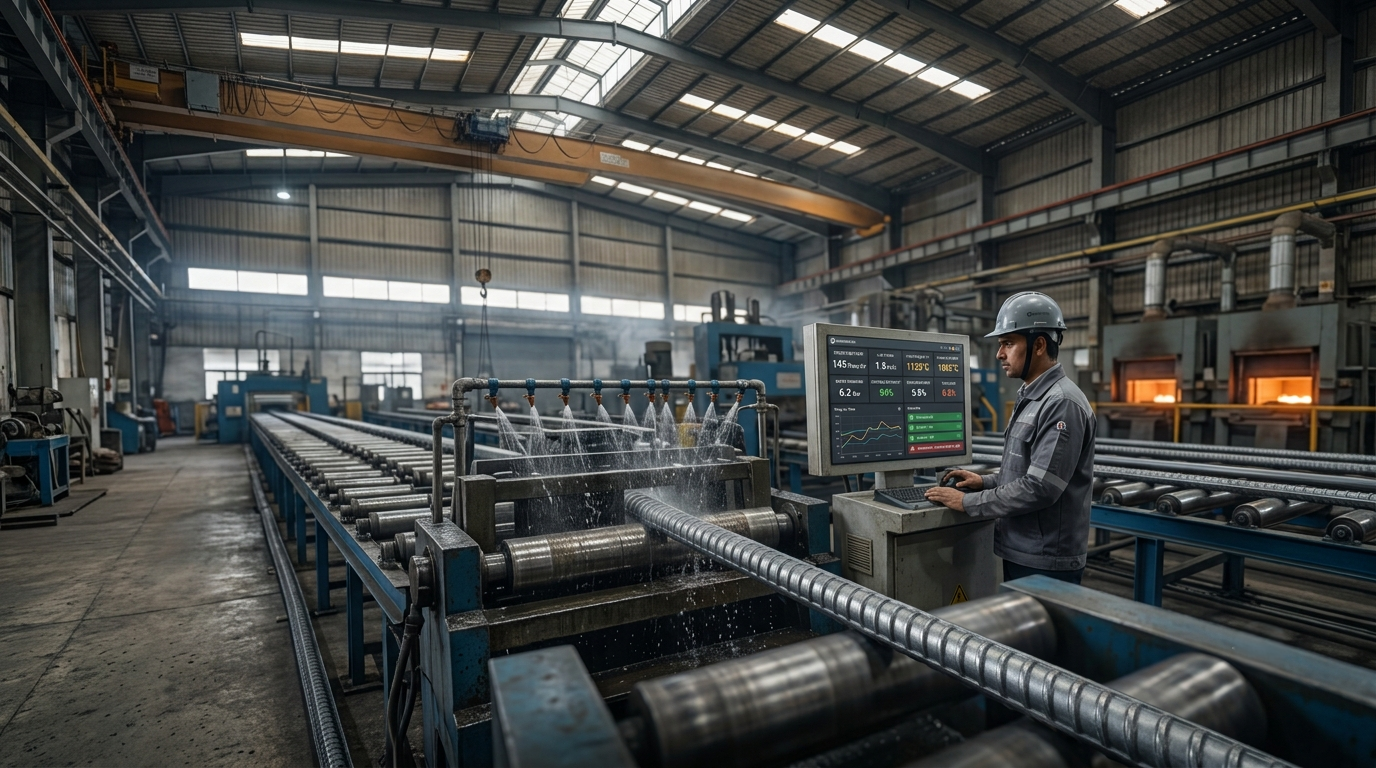
Sensors, automation, process monitoring and advanced analytics are allowing manufacturers to understand what is happening inside a production line in greater detail than ever before.
Artificial intelligence and machine-learning systems can also help identify patterns in production data, predict equipment issues, and optimise processes.
For a steel manufacturer, this can translate into:
- More consistent production
- Better process control
- Reduced downtime
- Improved energy efficiency
- Faster identification of production issues
- More reliable quality monitoring
But the objective isn’t to make steel factories look futuristic.
It is to make the steel itself more consistent.
For construction steel, consistency matters enormously. A TMT bar needs to deliver predictable performance—not just impressive numbers on a specification sheet.
5. Quality Is Moving Beyond Strength
Strength has always been one of the most important characteristics of construction steel.
But modern structural requirements demand more than simply higher tensile strength.
Engineers also need to consider:
Ductility.
Bendability.
Weldability.
Durability.
Consistency.
This is where grades such as Fe 550D TMT bars become relevant.
The “D” in Fe 550D indicates enhanced ductility compared with conventional higher-strength grades. This combination of strength and ductility can make such grades suitable for applications where both load-bearing capacity and deformation behaviour are important.
However, higher strength does not automatically mean a grade is right for every project.
Always select the correct TMT grade based on the structural design, applicable standards, and the structural engineer’s recommendations.
The trend isn’t simply towards stronger steel.
It’s towards better-performing steel.
6. Higher-Performance TMT Bars Are Becoming More Relevant
As construction requirements evolve, there is increasing interest in high-strength reinforcement grades.
Higher-strength TMT bars can offer structural designers opportunities to achieve required reinforcement capacity with potentially less steel in certain applications, depending on the design.
Grades such as Fe 550D are therefore gaining attention in projects where higher strength combined with ductility is desirable.
But there is an important distinction between high-grade steel and high-quality steel.
A high-strength grade is defined by its specified mechanical properties.
Quality is about whether the manufacturer consistently delivers those properties, along with the required chemical composition, dimensional accuracy, and surface characteristics.
So when comparing the best TMT steel bars in Kerala, the grade is only one part of the decision.
The manufacturing quality behind the grade matters just as much.
7. Energy Efficiency Is Becoming a Competitive Advantage
Steel manufacturing requires substantial energy.
That makes energy efficiency important for both environmental and economic reasons.
Modern steel plants are increasingly looking at ways to reduce energy consumption through:
- More efficient equipment
- Better process control
- Heat recovery
- Optimised production schedules
- Improved furnace efficiency
- Greater use of automation and monitoring
Even relatively small improvements can become significant when applied across large-scale production.
This is another reason why the definition of a modern steel manufacturer is changing.
It isn’t enough to produce large quantities of steel.
The goal is to produce more intelligently.
8. Traceability and Quality Control Are Becoming More Important
As steel becomes more technologically advanced, customers are also becoming more interested in knowing exactly what they are buying.
Traceability can help manufacturers track batches, raw materials, production parameters, and testing information throughout the manufacturing process.
For construction customers, this provides greater confidence in product consistency.
It also reinforces an important shift in the industry:
Quality is no longer something that should simply be assumed.
It should be measured, monitored, and demonstrated.
For a TMT bar supplier in Kerala, maintaining rigorous testing and quality-control systems is therefore becoming increasingly important.
9. Sustainable Steel Is Becoming a Construction Priority
Sustainability is no longer limited to architects and green-building specialists.
Developers, contractors and infrastructure companies are increasingly considering the environmental impact of the materials used in their projects.
Steel has an important role here because it is both durable and recyclable.
But sustainable construction isn’t about choosing a material simply because it is recyclable.
The entire life cycle matters:
Raw materials → Manufacturing → Transportation → Construction → Service life → Recovery → Recycling
A durable steel product that performs reliably for decades and can eventually return to the steelmaking cycle has an important role to play in a circular construction economy.
This makes sustainability increasingly relevant when selecting premium steel bars in Kerala.
10. Regional Manufacturing Is Becoming More Important
Global steel trends may be driven by major technological and economic shifts, but construction remains a local business.
A builder in Kerala needs steel that is available when required, meets the necessary standards, and can be supplied consistently.
That makes the role of a dependable regional manufacturer or supplier particularly important.
For customers looking for TMT steel bar brands in Kerala, factors such as:
- Manufacturing consistency
- Product availability
- Distribution network
- Technical support
- Quality testing
- Standards compliance
- Product traceability
can matter just as much as brand recognition.
A great product that cannot reach the construction site on time isn’t particularly useful.
What Do These Trends Mean for TMT Steel Buyers?
For someone buying reinforcement steel in 2026, the industry trends point towards a more informed way of choosing TMT bars.
Instead of looking at price alone, buyers should consider several factors together.
Check the Grade
Different projects have different structural requirements. Fe 500D, Fe 550D, and other grades should be selected based on the structural design and applicable standards.
Look Beyond Strength
Tensile strength is important, but so are ductility, elongation, bendability, and consistency.
Understand the Manufacturer
The same nominal grade can come from very different manufacturing processes and quality-control systems.
Look for Standards Compliance
Always verify that the product meets the applicable Indian standards and project requirements.
Consider Consistency
A construction project doesn’t need one good batch of steel.
It needs reliable steel across every batch.
Kalliyath TMT: Ready for the Next Generation of Steel
The steel industry is changing rapidly.
From circular manufacturing and scrap recycling to digital quality control and high-performance reinforcement grades, the steel of the future is being shaped by a combination of technology, quality, and responsibility.
At Kalliyath TMT, this changing industry landscape reinforces a simple principle: construction steel needs to be made for the demands of the structures it supports.
For customers looking for quality steel bars and reliable TMT solutions in Kerala, that means focusing on more than a number printed on a bar.
It means choosing a manufacturer that understands the importance of consistency, quality control, and dependable performance.
As one of the top TMT steel bar brands in Kerala, Kalliyath TMT aims to be part of that evolution—bringing together modern steelmaking practices and the quality expected from steel used in homes, buildings, and infrastructure.
Because the future of steel isn’t just about making it stronger.
It’s about making it smarter, cleaner, and more reliable.
Frequently Asked Questions
1. What are the major steel industry trends in 2026?
Some of the major trends include decarbonisation, increased steel recycling, Electric Arc Furnace technology, digitalisation, automation, improved energy efficiency, traceability, and the development of higher-performance steel grades.
2. What is Fe 550D TMT steel?
Fe 550D is a high-strength TMT reinforcement grade with a specified minimum yield strength of 550 MPa and enhanced ductility requirements compared with conventional Fe 550. Its suitability depends on the structural design and applicable standards.
3. How do I choose a TMT bar supplier in Kerala?
Consider the manufacturer’s quality-control practices, standards compliance, product consistency, grade availability, testing systems, and ability to provide reliable supply for your project.
4. What makes a premium TMT steel bar?
A premium TMT bar is not defined by strength alone. Consistent mechanical properties, ductility, dimensional accuracy, quality control, standards compliance, and dependable manufacturing are all important.
5. Are TMT steel bars still relevant in modern construction?
Absolutely. TMT reinforcement remains fundamental to reinforced-concrete construction. As structural requirements evolve, the focus is increasingly shifting towards higher-performance grades, consistent quality, and more sustainable manufacturing.
6. Why is steel recycling important to the future of the industry?
Recycling allows steel to remain in circulation and reduces the need for virgin raw materials. Because steel can be recycled repeatedly, it is an important material in the transition towards a more circular economy.
Recent Blogs
The Weak Link Nobody Checks: Why Your Binding Wire Matters
Read Now
How Kalliyath Achieves 100% Sustainable Production
Read Now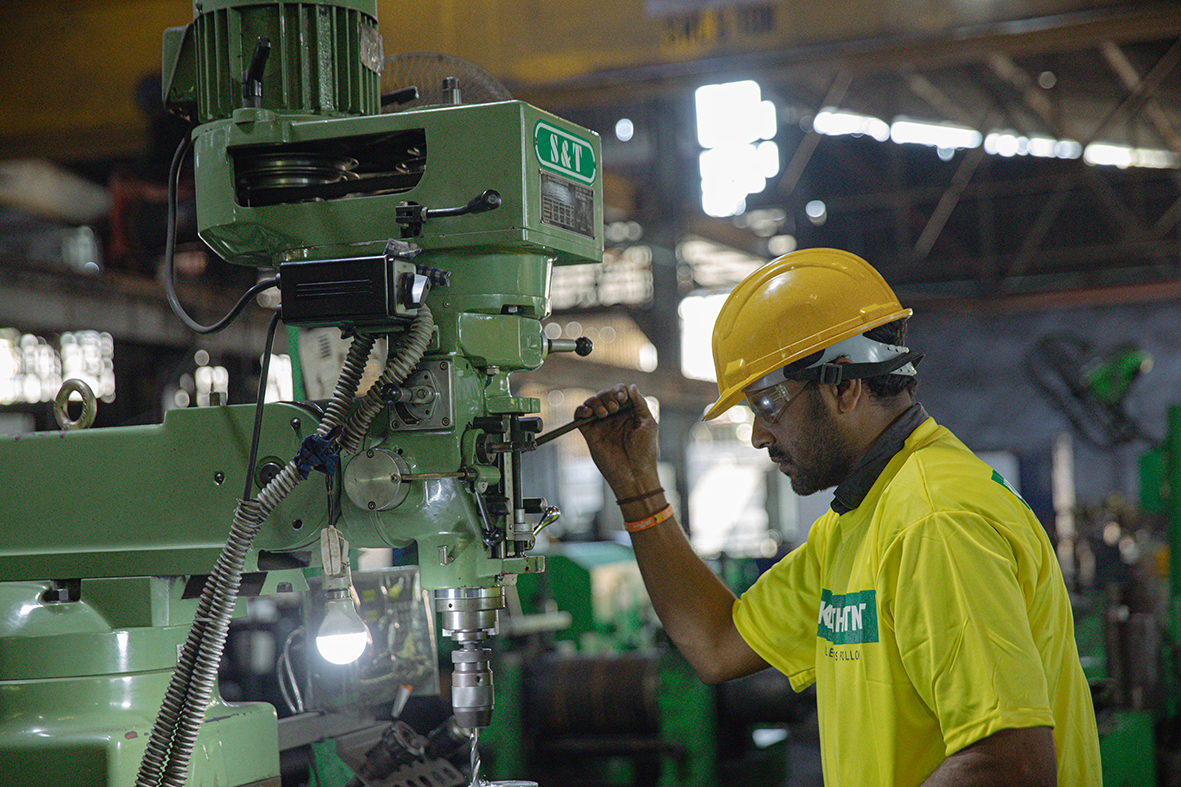
Steel Without Mining: A Revolution in Sustainable Steelmaking
Read Now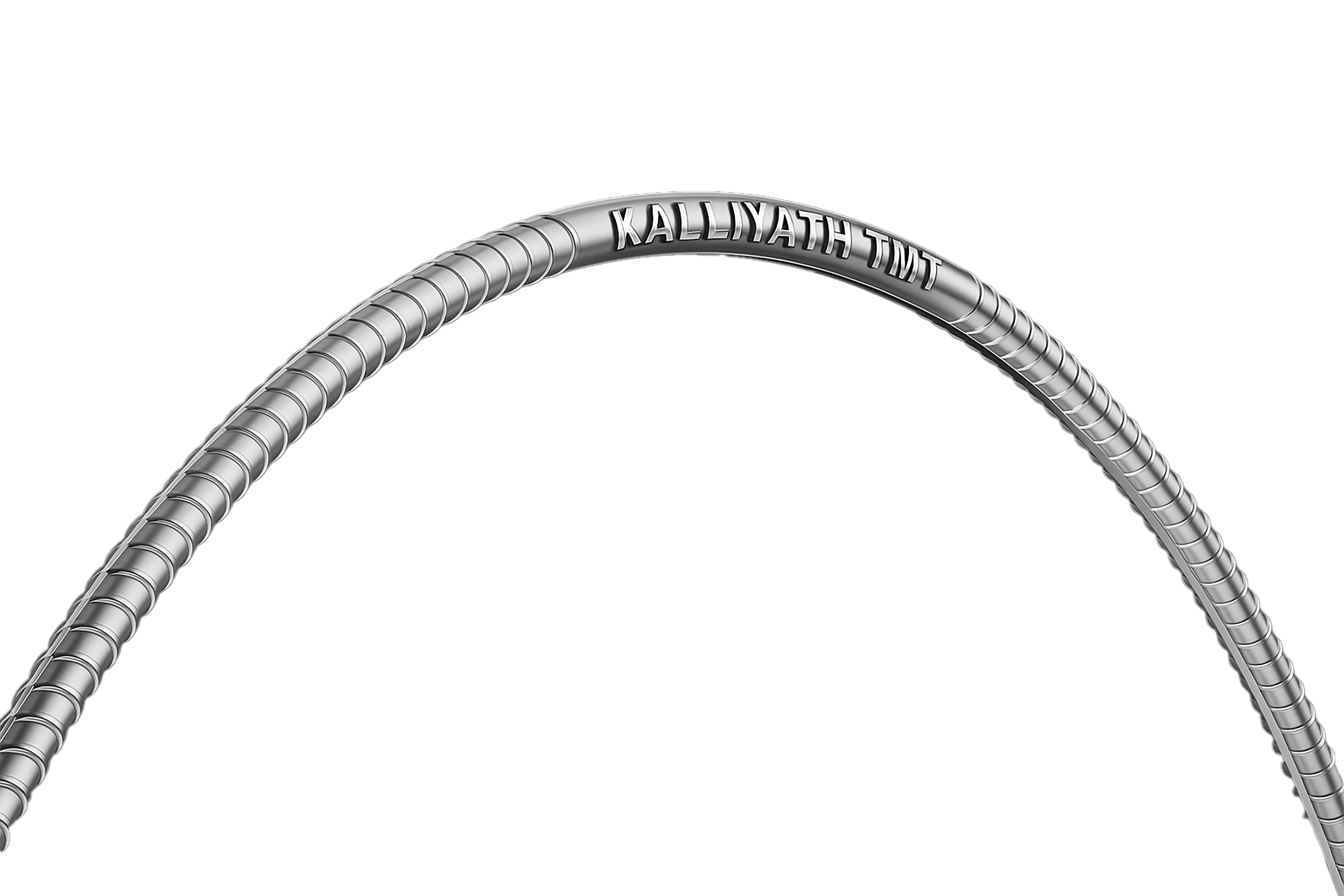
Quality Standards That Define Modern Steel Manufacturing
Read Now