Quality Standards That Define Modern Steel Manufacturing
Not all steels are the same; the distinction becomes clear the moment stress hits a building in the form of an earthquake or heavy rainfall, or even after years of normal use. This is precisely the reason why quality specifications are so important in the selection of TMT steel bars. Learning about what distinguishes good steel from poor steel makes better choices possible.
What Quality Really Means in Steel Manufacturing
Quality manufacturing of steel is not an individual test or certification; rather, it is a series of well-controlled processes, right from the selection of materials to the finishing process of rolling and cooling the bars. All these processes play a vital role in determining the behavior of the bar within the concrete.
A few standards form the backbone of reliable manufacturing:
1. Controlled thermo-mechanical treatment (TMT) — ensures a tough outer layer with a soft, ductile core
2. BIS certification (IS 1786) — the baseline requirement for any TMT bar sold in India
3.ISO 9001 quality management — governs consistency across every production batch
4. Precise chemical composition control — carbon, manganese, and sulfur levels directly affect strength and weldability
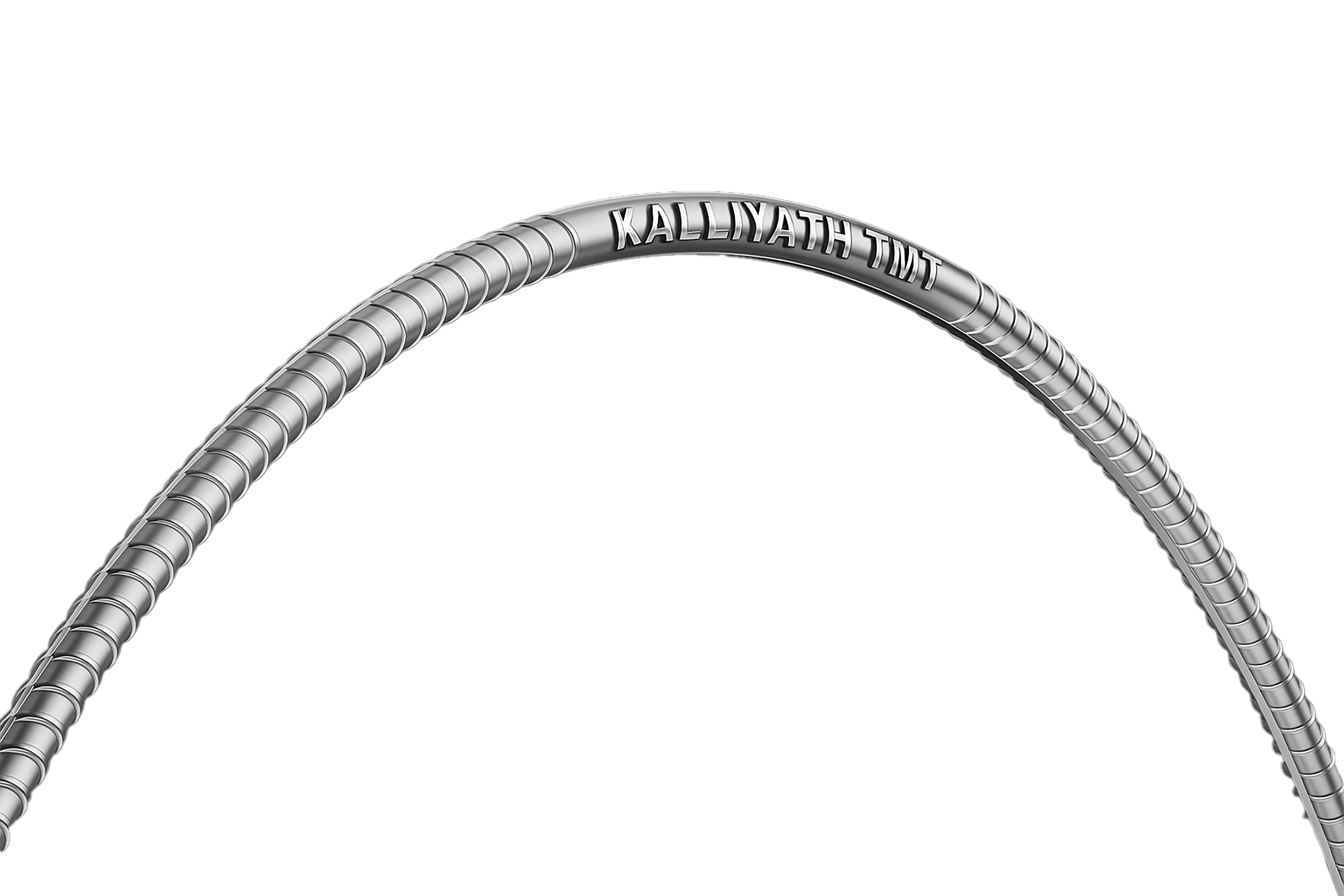
5. Uniform rib pattern and bar dimensions — critical for proper bonding with concrete
When searching for the Best Quality TMT Steel Bars in Kerala, these are the exact benchmarks worth checking before finalizing any supplier.
Why the Manufacturing Process Matters More Than the Label
It’s easy to believe there’s no difference between TMT bars with the same grade, but that’s not always true. Two TMT bars could both carry the name FE 550D but behave very differently on site because the manufacturer controls the quenching and tempering process differently. That is where the role of a TMT Bar Supplier in Kerala and the manufacturer differ.
A trusted TMT bar manufacturer in Kerala generally conducts internal tests at all stages – tensile test, bend and re-bend test, and elongation test, well before any single bar comes out of their factories. This multi-level quality assurance process is responsible for the margin of safety of a structure, particularly in areas that are prone to earthquakes or located along coastlines.
This is the exact discipline that Kalliyath has established in its production process to gain recognition in its industry. Each product undergoes a standard testing procedure, regardless of whether it is for a domestic or a commercial client.
Choosing the Right Grade for Your Project
Grade selection plays a bigger role in construction quality than most people realize. Higher-grade bars aren’t automatically the better choice for every project — the right grade depends on load requirements, seismic zone, and structural design.
1.FE 500D — commonly used for standard residential construction
2.FE 550D TMT bar Kerala projects typically choose this grade for higher load-bearing needs, such as multi-storey buildings and heavy infrastructure
Getting this grade selection right, paired with a manufacturer that maintains strict quality checks, is what ultimately determines how well a structure holds up over 50, 70, or even 100 years.
Final Decision
Quality of steel is not something that can be measured in terms of cost or looks. The real indicator of steel quality lies in the level of standards maintained by the manufacturer in all batches that they produce. Kalliyath continues to distinguish itself in this area through the certified and consistent process of manufacture that it maintains according to BIS and ISO standards. Those who are trying to make comparisons and search for a manufacturer who takes quality seriously will find Kalliyath a reliable choice.
FAQs
1. What certification should I check before buying TMT bars?
Always confirm BIS certification (IS 1786) along with ISO 9001 and ISO 14001 compliance from the manufacturer.
2.How can I tell if a TMT bar is genuine quality?
Look for uniform rib patterns, consistent bar diameter, and a manufacturer’s certification mark on the bar itself.
3. Does the manufacturing process affect earthquake resistance?
Yes, proper thermo-mechanical treatment gives TMT bars the ductility needed to absorb seismic stress without cracking.
4. Why choose a manufacturer over a reseller?
Manufacturers control quality from raw material to final product, offering more consistency than a reseller sourcing from multiple sources.
Recent Blogs
Small Bar, Big Role: Where 6mm TMT Bars Belong in Your Home
Read Now
On-Site Cutting vs. Ready-to-Use Cut & Bend Steel: What Really Saves Money?
Read Now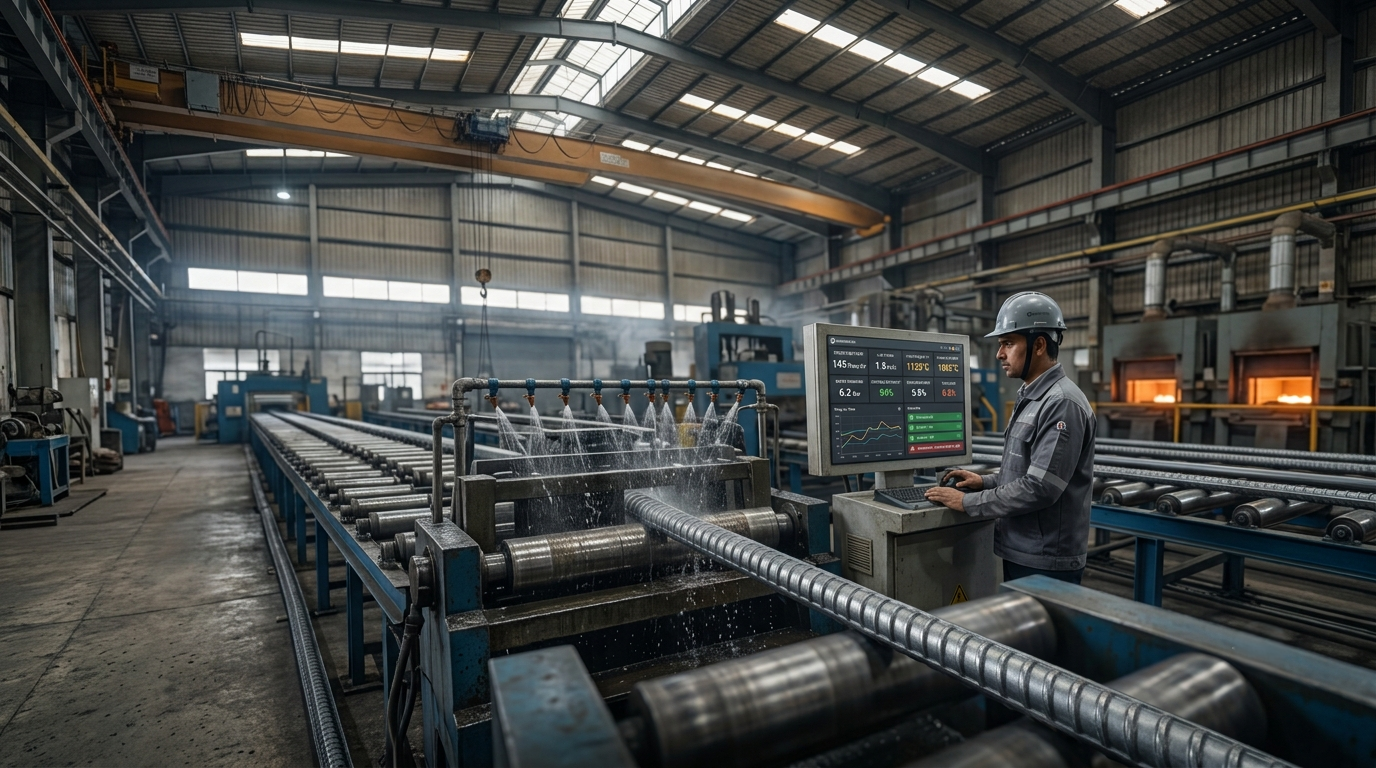
The Weak Link Nobody Checks: Why Your Binding Wire Matters
Read Now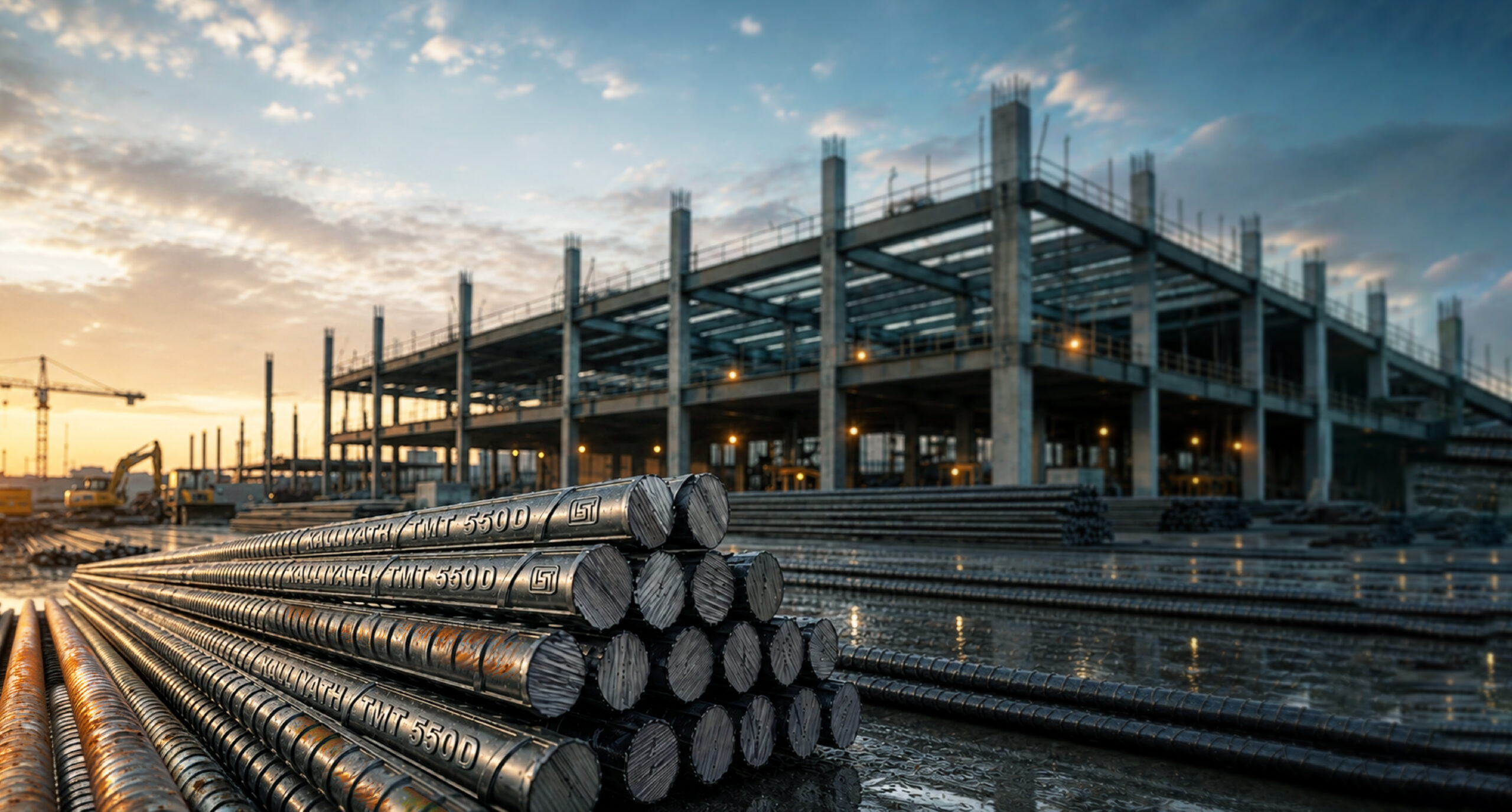
How Kalliyath Achieves 100% Sustainable Production
Read Now