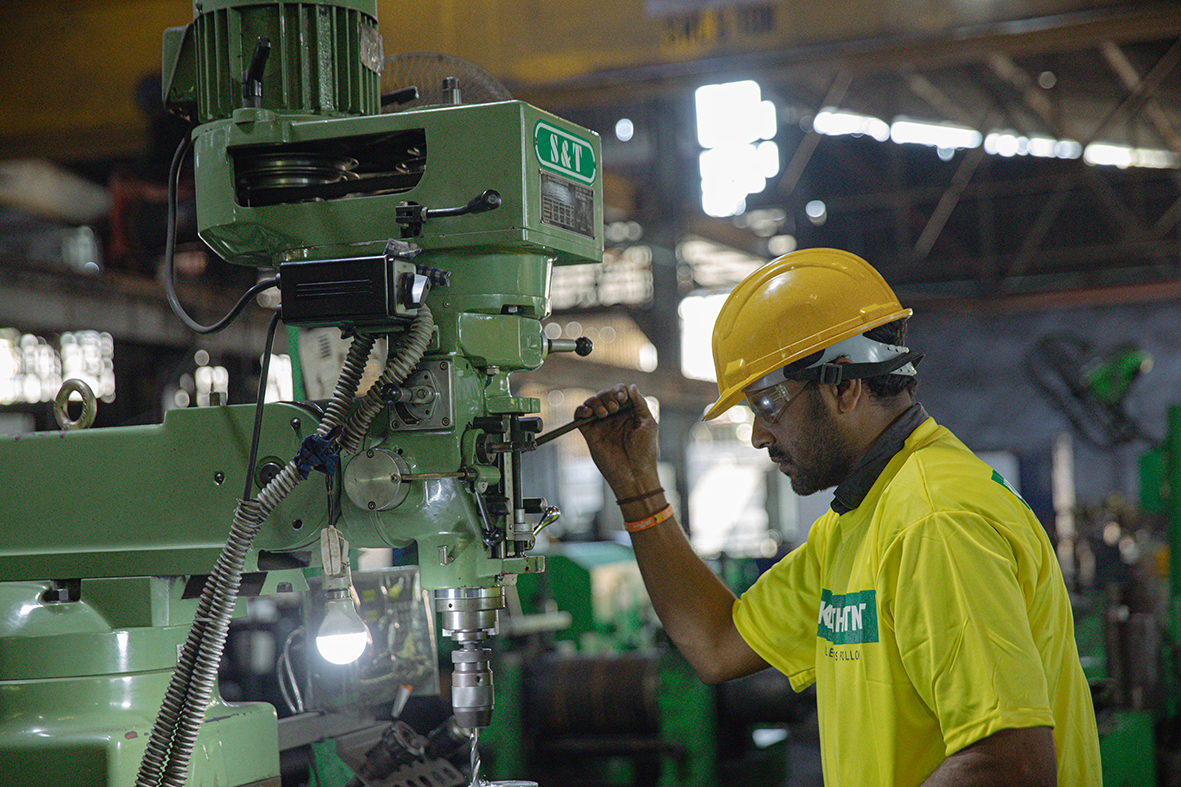
What Does “Green Steel” Actually Mean? A Buyer’s Guide
Green steel. You’ve probably seen the term on a hoarding, in a brochure, or somewhere in a builder’s pitch.
Sounds good, doesn’t it?
But what does it actually mean? Is it steel made differently? Steel that’s somehow better for the planet? Or is it just a label, a marketing shade of green sprayed over the same old manufacturing process?
That’s exactly what this guide sets out to answer. We’ll break down what “green steel” really refers to, how it’s made, why it matters for the construction choices you make, and how to tell a genuinely sustainable steel manufacturer from one that’s simply borrowing the term. By the end, you’ll know exactly what to look for the next time you’re comparing premium steel bars in Kerala, and why sustainability is quietly becoming as important as strength.
Green Steel: Beyond the Buzzword
At its core, “green steel” refers to steel manufactured with a significantly reduced environmental footprint compared to conventional production. Traditional steelmaking is energy-intensive and carbon-heavy, relying heavily on coal-based blast furnaces. Green steel production, by contrast, focuses on cutting emissions at every stage, from the energy sources used in manufacturing to the raw materials selected, water management practices, and waste recycling systems.
This doesn’t mean the steel itself is a different metal. Structurally, it still needs to meet the same strength, ductility, and durability standards as any TMT steel bars used in serious construction. What changes is the process behind it, cleaner energy inputs, better resource efficiency, and a genuine effort to lower the carbon cost of every tonne produced.
Why This Matters More Than You Might Think
Construction is one of the largest contributors to global carbon emissions, and steel production sits at the heart of that footprint. For a state like Kerala, with its sensitive coastal ecosystems, monsoon-driven landscape, and growing urban density, the environmental cost of construction materials isn’t an abstract, faraway concern. It’s local and immediate.
This is why more homeowners, architects, and builders are actively seeking out a sustainable steel manufacturer in Kerala rather than defaulting to the cheapest or most heavily advertised brand. Choosing responsibly manufactured steel isn’t just a values-based decision anymore; it’s becoming a practical one too, as green building. Certifications, energy-efficiency norms, and environmentally conscious project requirements become more common in both residential and commercial construction.
How to Spot Genuine Sustainability
Not every brand claiming to be “green” backs it up with real practice. Here’s what actually separates a manufacturer’s genuine commitment from a marketing exercise:
● Energy source transparency — Manufacturers investing in renewable or low-carbon energy for production usually communicate this clearly and specifically, not vaguely.
● Recycling and scrap utilization — Steel is one of the most recyclable materials on earth. A responsible manufacturer actively integrates recycled scrap into production rather than relying solely on virgin raw material.
● Water conservation practices — Given how water-intensive steel manufacturing (especially quenching in the TMT process) can be, look for manufacturers with closed-loop water systems.
● Emission reduction initiatives — Genuine sustainability efforts are usually documented through environmental audits, certifications, or public sustainability reports.
● Community and afforestation initiatives — While not directly tied to the manufacturing process, brands seriously invested in sustainability often extend that commitment through tree plantation drives, clean-up initiatives, and local environmental programs.
If a brand can’t answer specifics when you ask about any of the above, it’s worth treating the “green” label with some healthy skepticism.
This is also where it helps to look at what a manufacturer does on the ground, not just what it says in a brochure. Initiatives like sapling plantation drives, coastal and beach clean-up activations, or community-facing sustainability projects are often a good indicator of a brand’s environmental commitment beyond the factory floor. At Kalliyath TMT, for instance, the Green Core initiative reflects exactly this kind of on-ground commitment — sustainability practiced visibly, not just claimed on paper.
What This Means When You’re Choosing a Brand
When you’re comparing the top TMT steel bar brands in Kerala, sustainability shouldn’t be an afterthought; it should sit alongside strength, certification, and pricing as a core evaluation factor. The best TMT steel bar manufacturers in Kerala today understand that customers are asking sharper questions: not just “how strong is this bar?” but “how was it made, and at what cost to the environment?”
This shift matters because sustainable manufacturing practices often go hand-in-hand with better quality control overall. A manufacturer that invests in cleaner energy, recycling systems, and environmental responsibility is typically also the kind of manufacturer that invests in rigorous testing, consistent quality, and long-term reliability. The two commitments tend to reflect the same underlying philosophy: doing things properly, not just quickly or cheaply.
FAQs: Your Green Steel Questions, Answered
Q: Is green steel weaker than regular steel?
No. Green steel refers to the manufacturing process and its environmental impact, not the structural properties of the final product. Quality green steel meets the same strength and durability standards as conventional TMT bars.
Q: Does buying green steel cost significantly more?
Not necessarily. While some sustainable practices involve higher initial investment for manufacturers, the price difference for buyers is often marginal, especially when weighed against long-term durability and the growing importance of sustainable certifications in construction projects.
Q: How can I verify a manufacturer’s sustainability claims?
Look for third-party certifications, published environmental audits, or clear, specific information about energy sources and recycling practices. Genuine manufacturers are usually transparent and happy to share these details.
Q: Does using green steel help with green building certifications?
Yes. Many green building certification frameworks factor in the environmental footprint of construction materials, including steel, so sourcing from a sustainable manufacturer can support your project’s broader certification goals.
Q: Is it difficult to source premium, sustainably-made steel in Kerala?
Not anymore. Kerala’s steel manufacturing landscape has evolved considerably, with several established brands now prioritizing sustainable practices alongside premium quality, making it easier than ever to source responsibly.
The Bottom Line
“Green steel” isn’t just a feel-good phrase to put on a billboard. It represents a genuine shift in how steel is made, one that considers not just the strength of the final product, but the environmental cost of getting there. As a buyer, understanding this distinction empowers you to ask sharper questions and make choices that align with both your construction needs and your values.
The next time you’re evaluating premium steel bars in Kerala, don’t just ask how strong the bar is. Ask how it was made, and choose a manufacturer whose commitment to sustainability is backed by practice, not just promise.
Recent Blogs
Small Bar, Big Role: Where 6mm TMT Bars Belong in Your Home
Read Now
On-Site Cutting vs. Ready-to-Use Cut & Bend Steel: What Really Saves Money?
Read Now
The Weak Link Nobody Checks: Why Your Binding Wire Matters
Read Now
How Kalliyath Achieves 100% Sustainable Production
Read Now