What Is the Thermo-Mechanical Treatment Process, Really?
When you look at a TMT steel bar, it appears simple. Just a steel rod, right?
Not quite.
Every TMT bar has a story that begins long before it reaches a construction site. The strength of a building, the safety of a bridge, and the durability of a home all depend on what happens during one critical stage of manufacturing: the thermo-mechanical treatment process.
It is the reason modern TMT bars are stronger, more flexible, and more reliable than conventional steel bars. Yet, despite being one of the most important manufacturing processes in construction steel, very few people understand how it actually works.
In this blog, we’re pulling back the curtain on what TMT really means. We’ll walk through how the process works, why it matters for the safety of your home or project, what makes a bar like FE 550D different from the rest, and how to spot the qualities of genuinely good TMT steel before you buy. By the end, you’ll understand exactly what you’re paying for when you choose the Best Quality TMT Steel Bars in Kerala and why that choice isn’t one to compromise on.
The Basics: What Does “Thermo-Mechanical” Actually Mean?
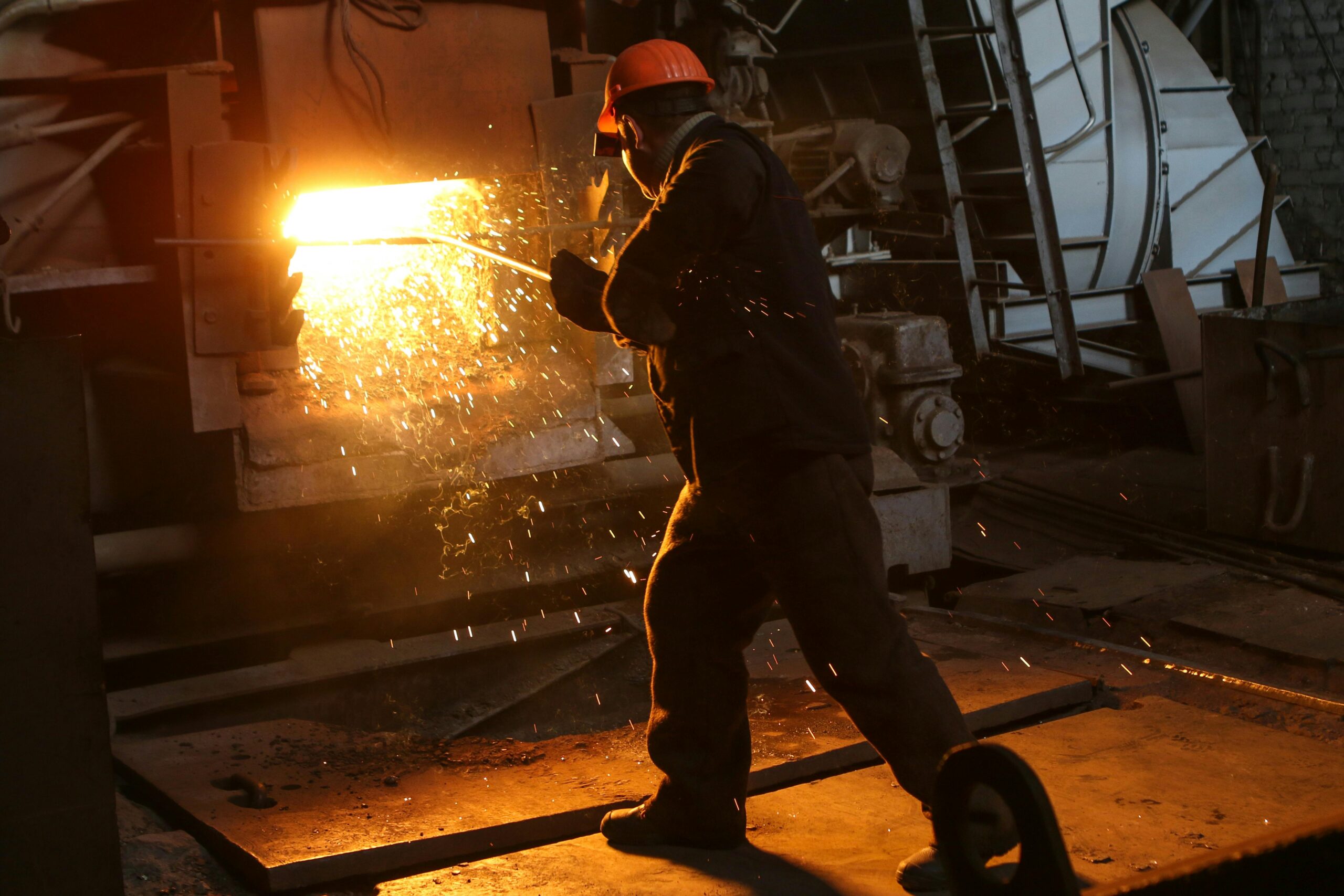
Break the term down, and it explains itself. “Thermo” refers to heat, and “mechanical” refers to force. TMT bars are made by combining controlled heating with controlled deformation, a process that gives the steel a unique internal structure. Instead of being uniformly hard (and therefore brittle) all the way through, a properly treated TMT bar has a hard, tempered outer layer and a soft, ductile core.
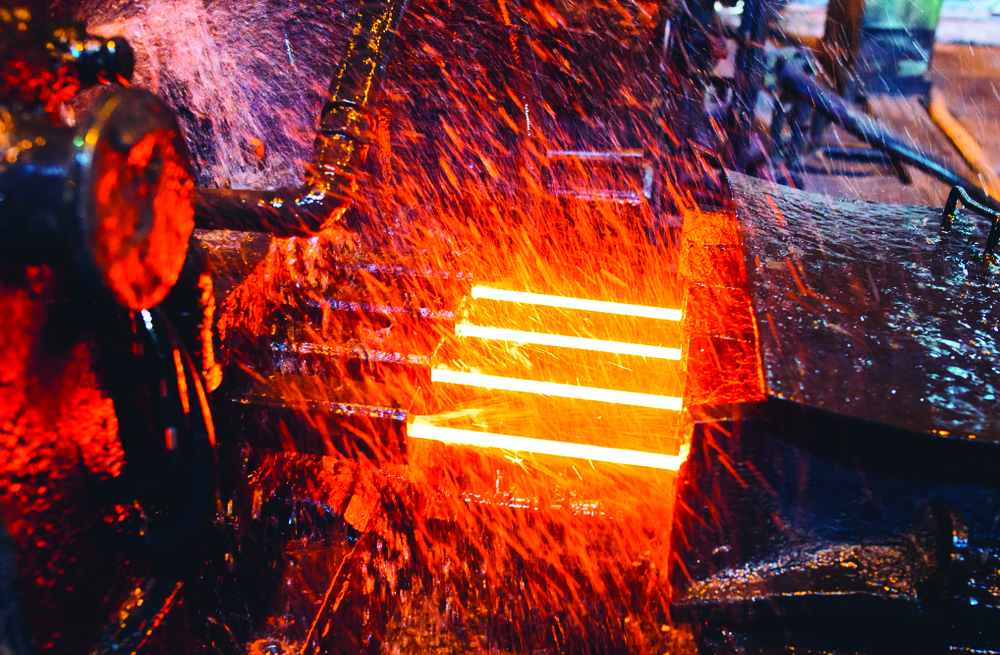
This isn’t a happy accident. It’s precision engineering. The steel is rolled at high temperature, then rapidly cooled at the surface using a water-quenching system, while the core remains hot. The core’s residual heat then tempers the surface, and as the bar cools further, the two layers settle into a structure that’s both strong and flexible. Think of it like a well-baked loaf of bread, a firm crust holding a soft, resilient interior. That combination is exactly what makes TMT bars able to bend without snapping, a critical property in seismic zones and heavy-load structures alike.
Why the Process Matters More Than the Name
A lot of steel gets marketed as “TMT” without actually going through a rigorous, well-controlled version of this process. That’s where the gap between ordinary Quality TMT and genuinely dependable steel shows up, not in a spec sheet, but in how the bar behaves ten or twenty years down the line.
Poorly executed thermo-mechanical treatment can leave a bar with inconsistent hardness, weak welds, or a core that hasn’t been tempered evenly. On the surface, it might look identical to a superior bar. Under stress, during an earthquake, a flood, or simply decades of load-bearing duty, the difference becomes very real. This is precisely why sourcing from a Trusted TMT bar manufacturer in Kerala matters as much as understanding the technical process itself. The manufacturing discipline behind the bar is just as important as the chemistry of the steel.
Understanding Grades: What Sets FE 550D Apart?
TMT bars come in different grades, and the grade tells you how much stress the steel can handle before it deforms permanently. The “FE” stands for ferrous, the number indicates minimum yield strength in MPa, and the “D” denotes a ductility classification with enhanced elongation properties.
FE 550D TMT bar Kerala buyers increasingly prefer this grade because it strikes a practical balance: high yield strength for structural demands, combined with better ductility and weldability than higher-grade alternatives like FE 600. This makes it especially suitable for residential and mid-rise commercial construction, where builders need strength without sacrificing the steel’s ability to absorb sudden shocks, like those from seismic activity or unexpected structural stress.
In simple terms, FE 550D bars are the sweet spot for most construction in Kerala’s climate and geography, where humidity, coastal air, and monsoon stress all take a toll on building materials over time.
What Makes “Quality” TMT Steel, Really?
If you’re comparing options, here’s what separates genuinely good TMT steel from the rest:
● Consistent cross-section — uniform diameter along the entire bar length, which affects load distribution.
● Proper rib pattern — ensures strong bonding with concrete.
● Corrosion resistance — especially critical in Kerala’s humid, coastal-influenced climate.
● Certified testing — every batch should be tested for tensile strength, elongation, and bend/rebend properties.
● Traceable manufacturing — a manufacturer that can show you test certificates isn’t hiding anything.
These aren’t just checkboxes. They’re the practical markers of whether the thermo-mechanical process was executed correctly, batch after batch.
FAQs: Your TMT Questions, Answered
Q: Is TMT steel better than TOR steel or plain rebars?
Yes, generally. TMT bars offer higher strength, better ductility, and improved corrosion resistance compared to older TOR steel or plain rebars, largely because of the controlled heating and cooling process they undergo.
Q: How do I know if the TMT bars I’m buying are genuine?
Look for BIS certification (IS 1786), ask for mill test certificates, and buy from a manufacturer with a transparent, traceable production process. Reputable brands willingly share this documentation.
Q: Can TMT bars rust?
All steel can corrode without proper protection, but quality TMT bars are designed with corrosion resistance in mind, especially important in Kerala’s humid and coastal conditions. Proper concrete cover and quality steel together minimize this risk significantly.
Q: What’s the ideal TMT grade for a residential building in Kerala?
FE 500D and FE 550D are both popular choices, with FE 550D often preferred for its balance of strength and ductility, particularly suited to Kerala’s seismic and climatic conditions.
Q: Does the price difference between TMT brands really matter?
It does. Cheaper bars often cut corners in the treatment process itself — inconsistent quenching, poor quality control, or substandard raw material. The savings upfront can cost significantly more in structural risk later.
The Bottom Line
Thermo-mechanical treatment isn’t just industry jargon; it’s the science that determines whether your building stands strong for decades or develops cracks within years. Understanding this process empowers you to ask the right questions, demand the right certifications, and choose steel that’s built to actually perform, not just look good on paper.
When the foundation of your home or project is at stake, the manufacturing process behind every bar matters as much as the price tag. Choosing steel from a name known for consistency, testing rigor, and transparency isn’t just a smart decision; it’s the only decision that makes sense.
Recent Blogs
On-Site Cutting vs. Ready-to-Use Cut & Bend Steel: What Really Saves Money?
Read Now
The Weak Link Nobody Checks: Why Your Binding Wire Matters
Read Now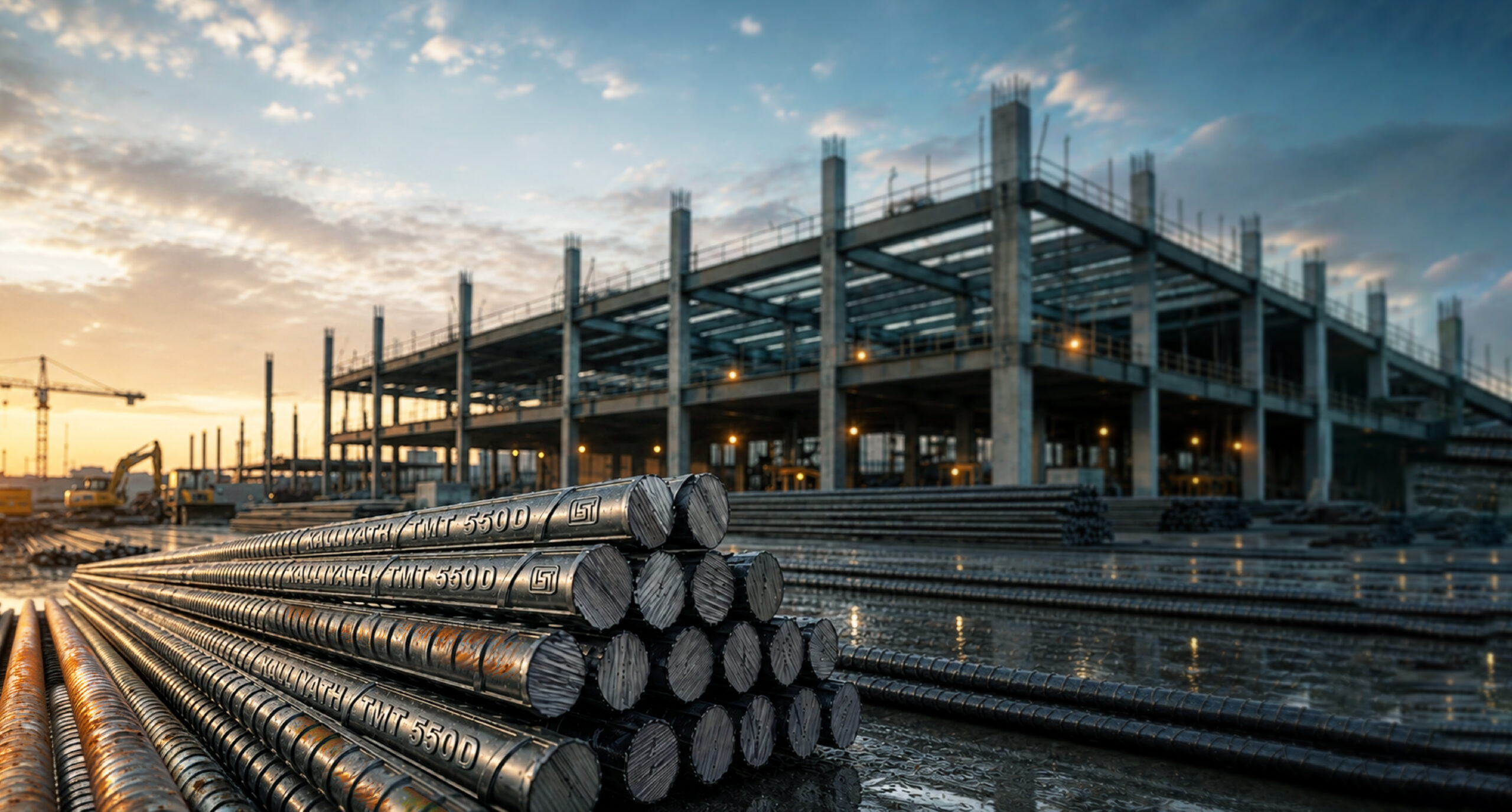
How Kalliyath Achieves 100% Sustainable Production
Read Now
Steel Without Mining: A Revolution in Sustainable Steelmaking
Read Now