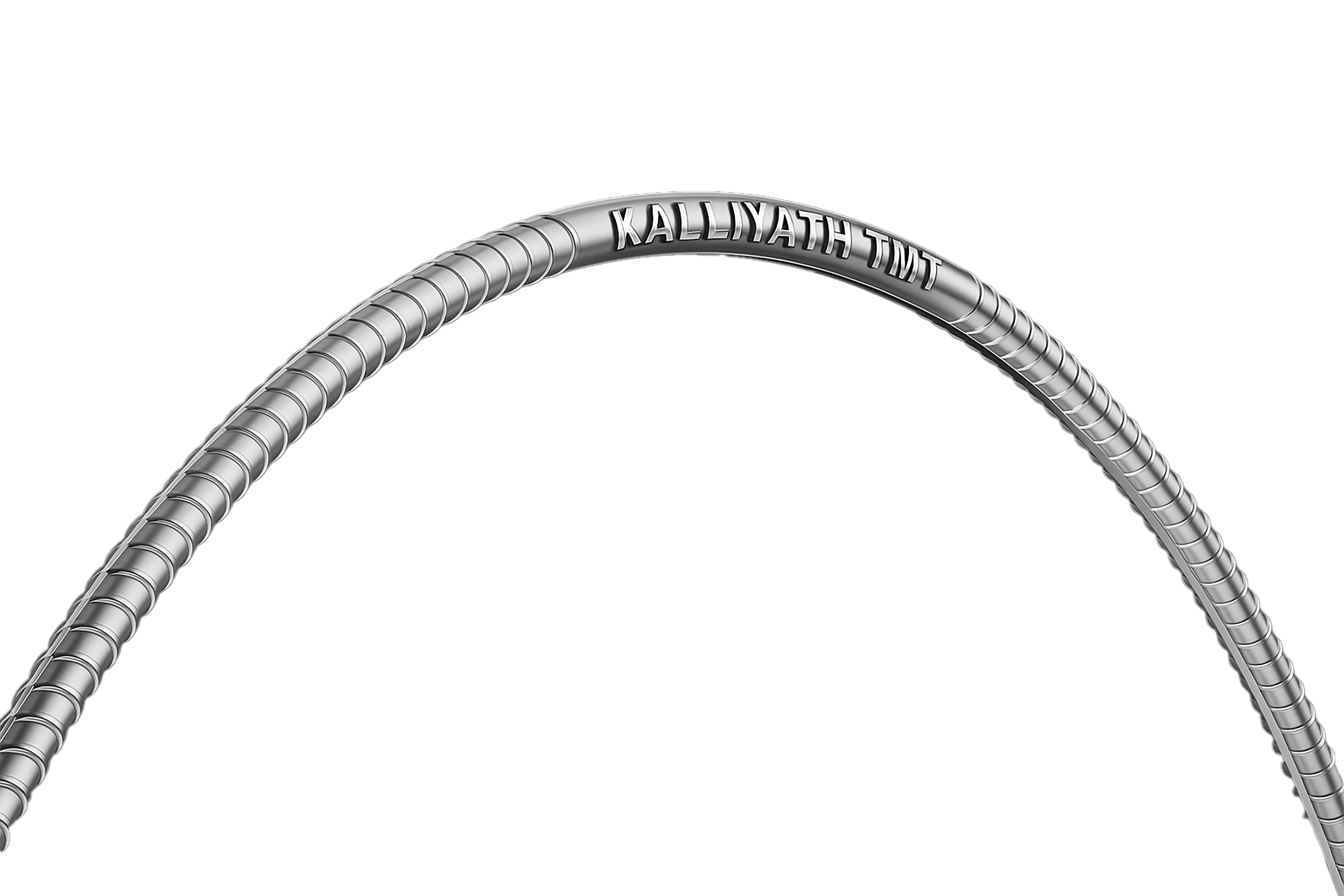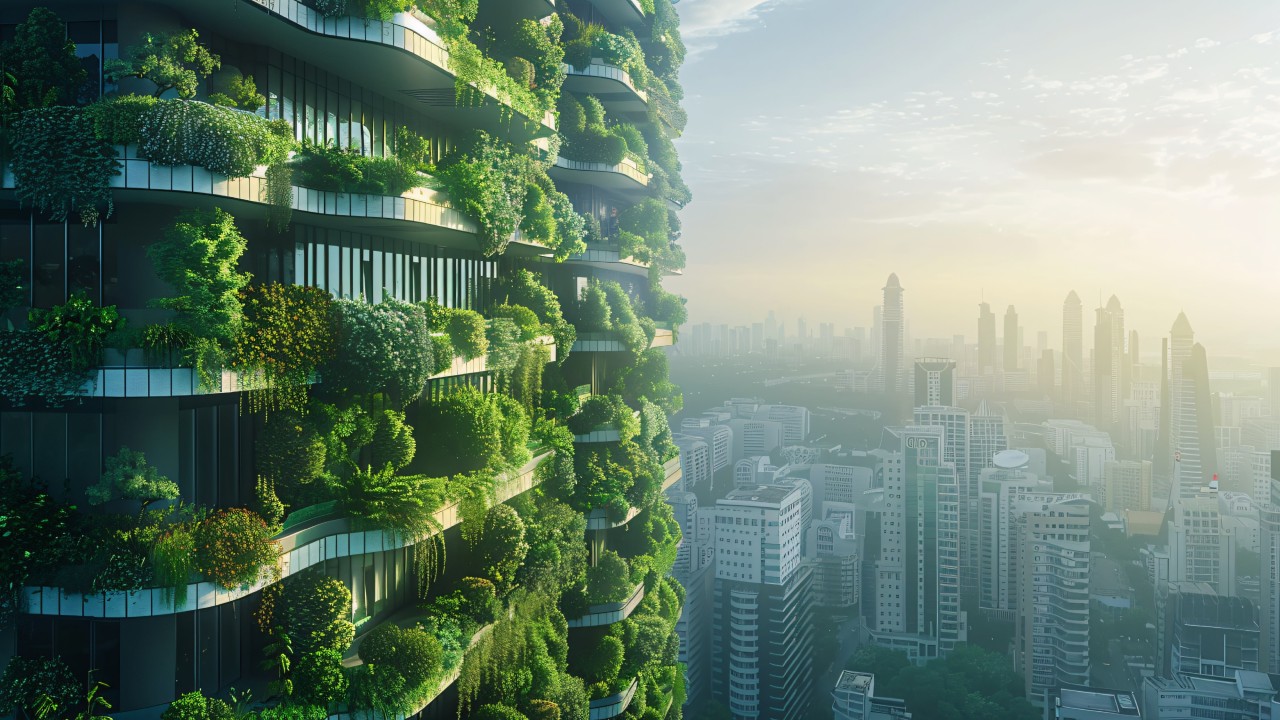
Green Construction Starts with Smarter Steel Choices
Kerala’s construction industry is asking different questions these days. Homeowners want to know about rainwater harvesting, solar-ready designs, and low-VOC paints. Sustainability has moved out of the architect’s office and into everyday conversations on building sites and family WhatsApp groups.
But one material rarely comes up in these discussions: steel.
TMT bars form the structural skeleton of nearly every building in the state, from small family homes to large commercial complexes. People obsess over cement brands, tile finishes, and paint shades, yet the steel buried inside the concrete gets almost no attention at all. That’s a problem, because the environmental footprint of steel production is enormous, and the quality of the bars used directly determines how long a structure lasts, and how sustainable it actually is.
Why Steel Matters in Sustainable Construction
Globally, steel manufacturing ranks among the largest industrial sources of carbon emissions. In India, where the construction sector already puts serious pressure on natural resources, choosing materials thoughtfully matters more than most people realise.
The key thing to understand is that not all steel is made the same way. Modern Electric Arc Furnace (EAF) methods melt down recycled scrap steel rather than extracting fresh iron ore. Compared to conventional blast furnace production, this approach cuts carbon emissions significantly. So when someone is evaluating the top TMT steel bar brands in Kerala, the manufacturing process behind the product deserves as much attention as the price tag or grade specification.
“Sustainable steel” isn’t just branding. It reflects real decisions made during production- how raw materials are sourced, how much energy the process consumes, and how responsibly waste is handled.
Durability Is a Sustainability Advantage
Here’s something the sustainability conversation often misses: how long a building stands is just as important as how it’s built. When steel corrodes or weakens prematurely, the consequences ripple outward. Repairs require fresh concrete and more bars. Structural failures mean partial demolition and rebuilding.
Every round of remediation burns energy, produces emissions, and generates construction waste. A building that lasts 60 years without major intervention is, by that measure alone, more environmentally responsible than one that needs significant repair work within 20.
Kerala makes this especially urgent. Heavy monsoon rains, persistent coastal humidity, saline air near the sea, and occasional flooding create conditions that accelerate corrosion inside reinforced concrete. The steel may look fine from outside the walls, but internally it can be deteriorating for years before anyone notices. Choosing the best TMT steel bars in Kerala isn’t just a structural decision; it’s a long-term environmental one.
What Makes a Steel Manufacturer Sustainable?
Not every company that uses the word “sustainable” has earned it. A few things genuinely separate responsible steel manufacturers from those just borrowing the language:
Scrap-based production: Using recycled steel reduces the need for large-scale mining and cuts emissions at the source. Manufacturers who invest in EAF technology are making a meaningfully different product.
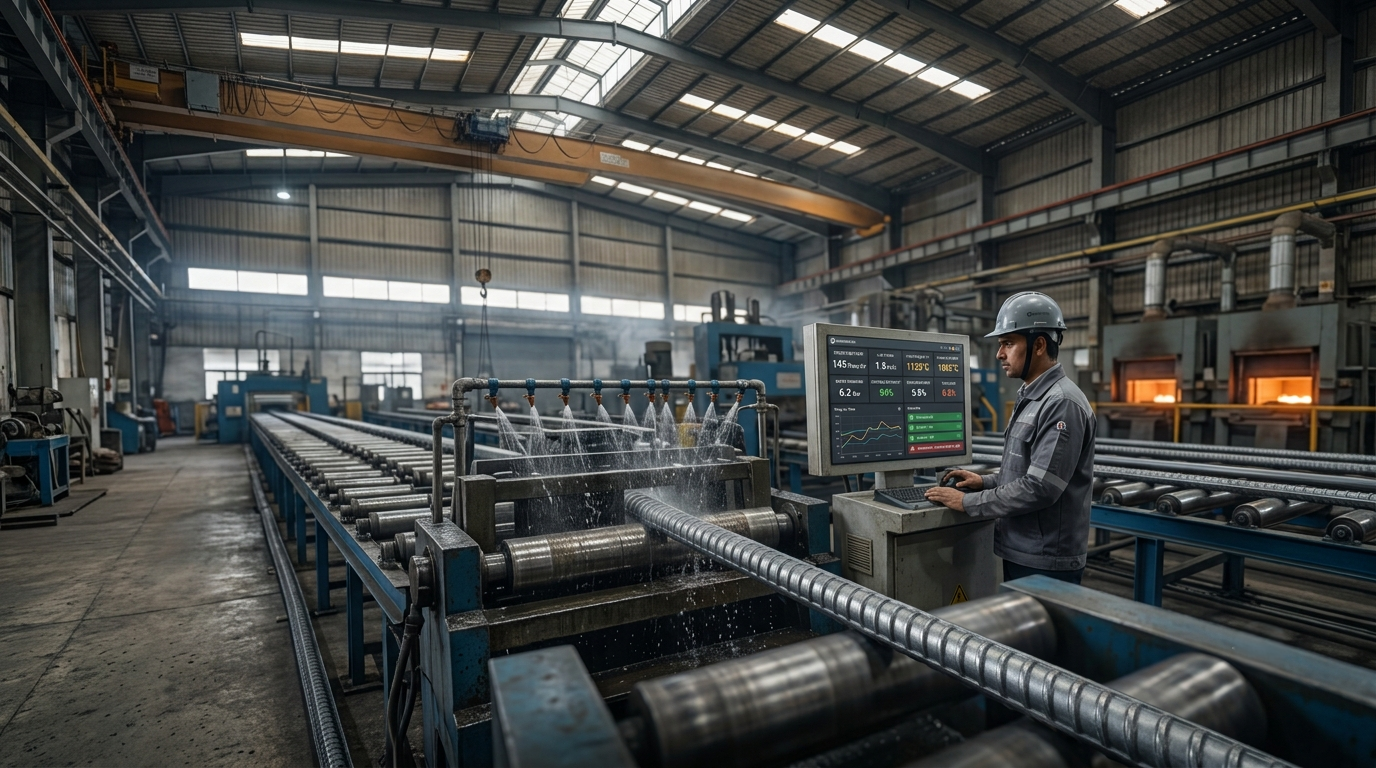
Water recycling: Steel production consumes water heavily during cooling and quenching. Plants with closed-loop water systems, where used water is treated and recirculated, produce far less freshwater waste and avoid discharging pollutants.
Waste reuse: Industrial slag, a byproduct of steel manufacturing, can be redirected into cement production rather than dumped. Companies that do this are managing their full impact, not just the visible parts.
Certification and consistency: BIS certification matters, but so does consistency in practice. The most sustainable steel is also structurally reliable steel; the two aren’t in conflict. Inconsistent chemical composition or poor mechanical performance leads to the kind of premature structural failure that makes sustainability a moot point.
Green Certifications and the Role of Steel
Rating systems like IGBC, GRIHA, and LEED are gaining traction in Indian construction. These frameworks reward projects that use materials with recycled content, reduce transportation emissions, and minimise environmental impact across the supply chain.
Steel qualifies, but only if it’s sourced from manufacturers who can actually document their processes. For builders working toward certification, choosing locally trusted TMT steel suppliers in Kerala serves two purposes at once: it supports sustainability goals and reduces the logistics footprint that comes with importing from distant suppliers.
A Different Way to Think About the Decision
Green construction is no longer limited to visible design elements like solar panels or eco-friendly interiors. The true strength of sustainable construction lies in the materials that hold the structure together.
TMT steel bars may remain hidden inside concrete, but their impact lasts for decades. Choosing the best TMT steel bars in Kerala means choosing durability, structural reliability, and responsible construction practices. In a climate as demanding as Kerala’s, quality steel is not simply an option; it is a necessity.
As the construction industry continues evolving, sustainability will increasingly depend on smarter material choices. And among those choices, steel remains one of the most important foundations of all.
Recent Blogs
The Weak Link Nobody Checks: Why Your Binding Wire Matters
Read Now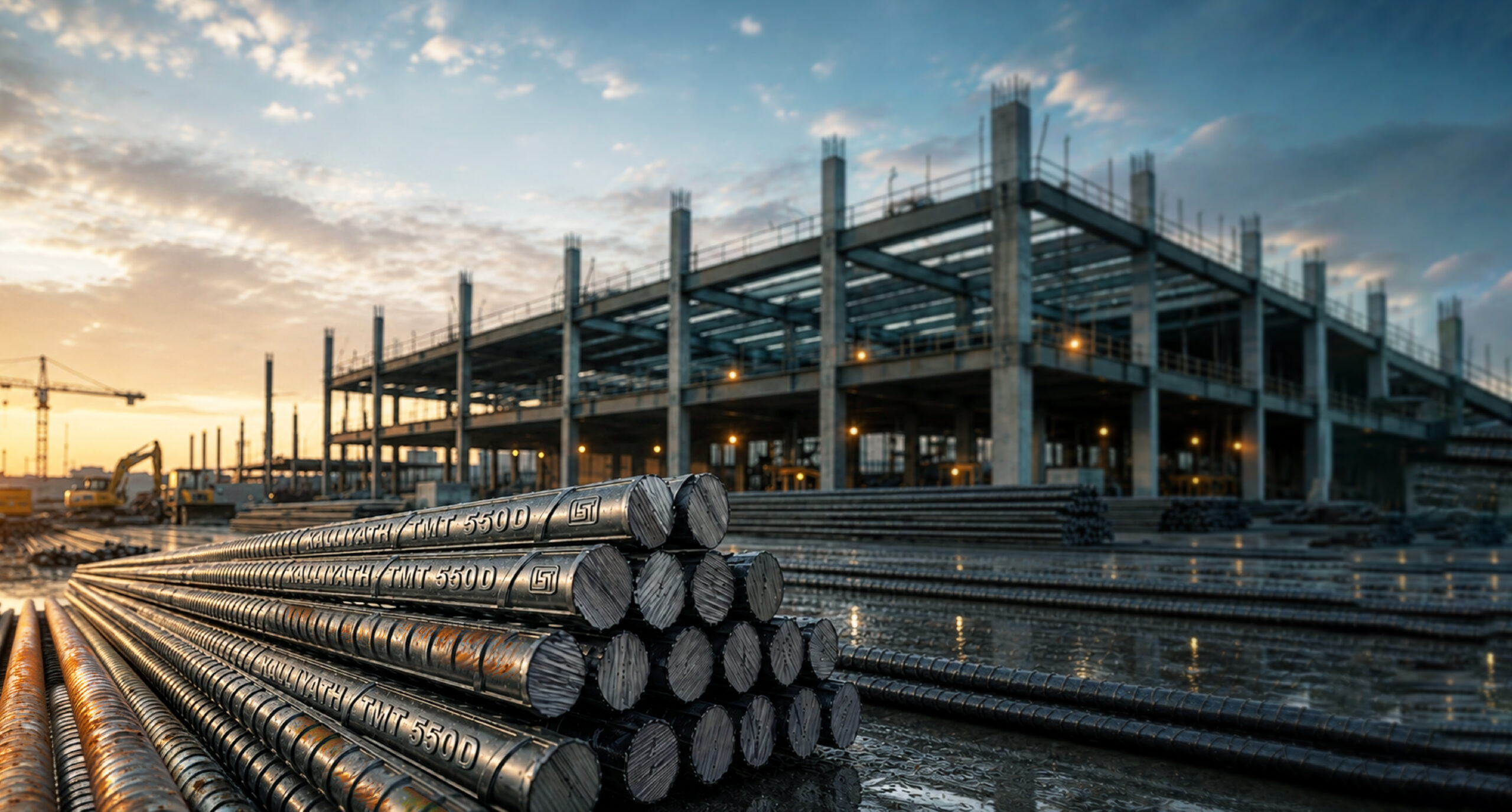
How Kalliyath Achieves 100% Sustainable Production
Read Now
Steel Without Mining: A Revolution in Sustainable Steelmaking
Read Now
What Are the Top Steel Industry Trends in 2026?
Read Now