The Science Behind the Strength and Flexibility of Kalliyath’s TMT Bars
The majority of us view buildings from the outside. We are impressed by the magnitude, the finishes, and the architecture. However, the structure itself tells the true tale of durability. The reinforcement steel is the unsung hero of any long-lasting structure. Kalliyath's Thermo-Mechanically Treated (TMT) bars have significance in this instance. They carefully manage the loads, stress, and environmental difficulties a building encounters over its existence.
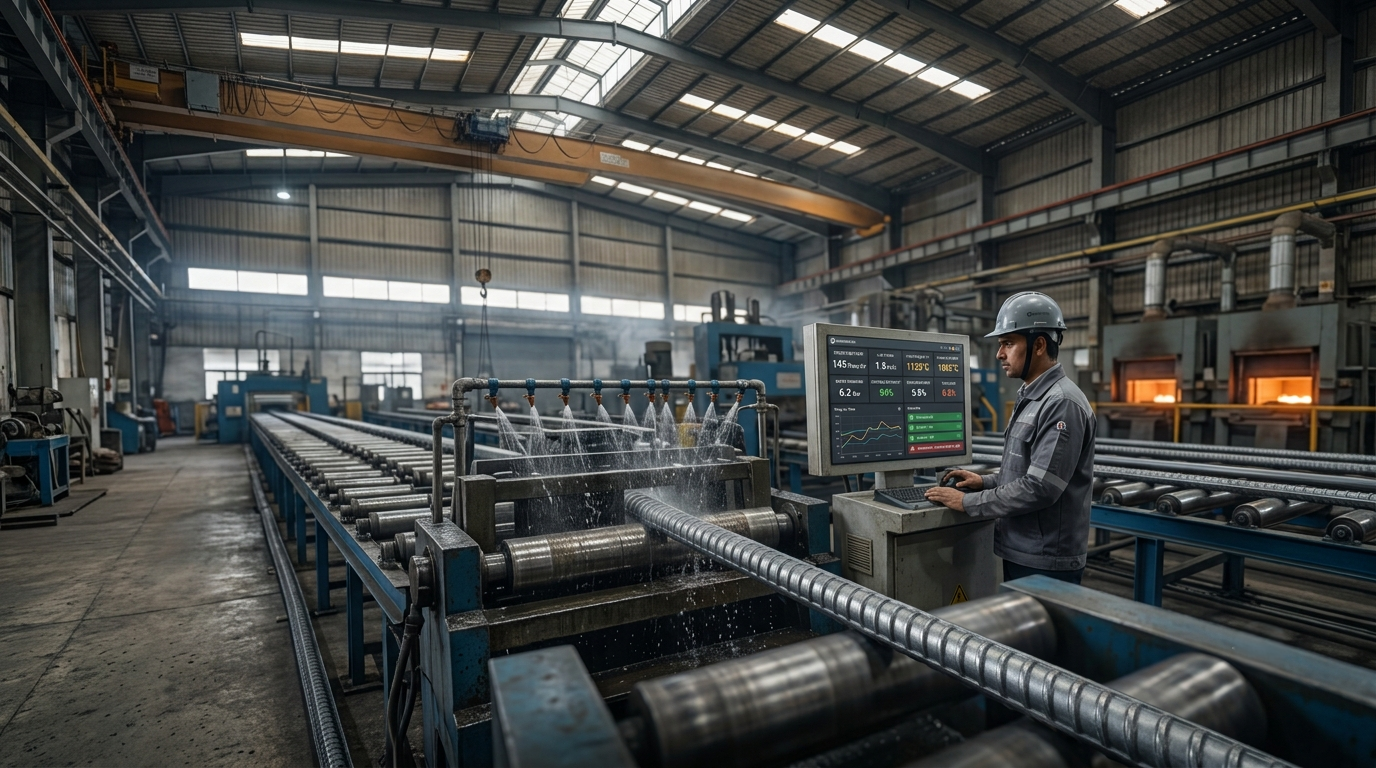
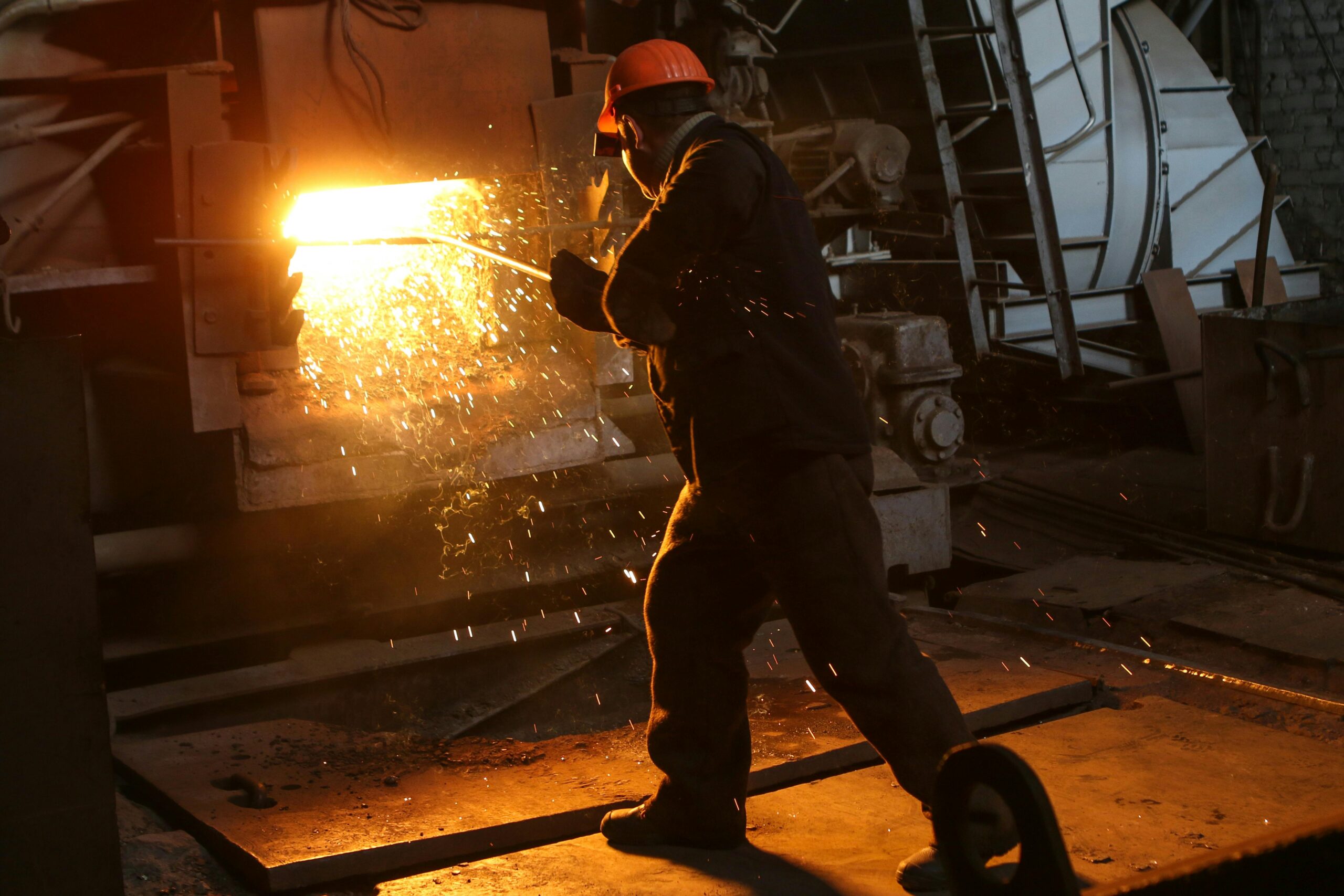
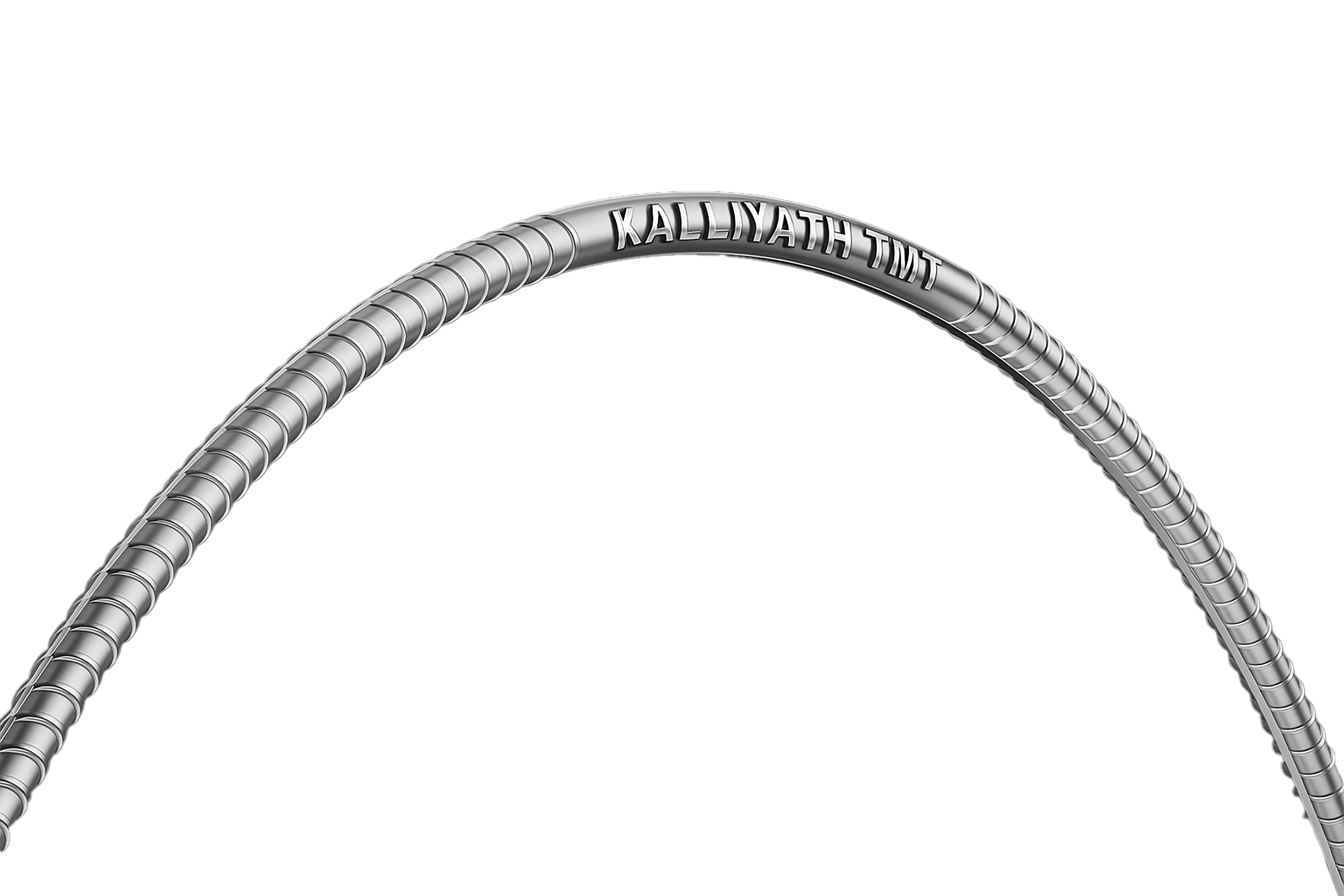
The science behind TMT starts with controlled heating, quenching, and cooling. When steel is hot-rolled and then rapidly quenched in water, the outer surface cools instantly, forming a martensitic layer. Martensite is extremely hard, giving the bar its high tensile strength. The inner core, however, cools more slowly and transforms into ferrite-pearlite. This region is more ductile, allowing the bar to bend without cracking. The result is a reinforcing bar with a tough exterior and a flexible interior. Both qualities are necessary in structural engineering.

Steel is used extensively in modern building. It has to remain strong under load while still flexing enough to absorb shocks. It must withstand multiple stress cycles, corrosion, temperature changes, and seismic activity. Steel can break if it gets too brittle.  Any steel that becomes too soft can deform. TMT technology exists because it strikes a balance between strength and ductility.

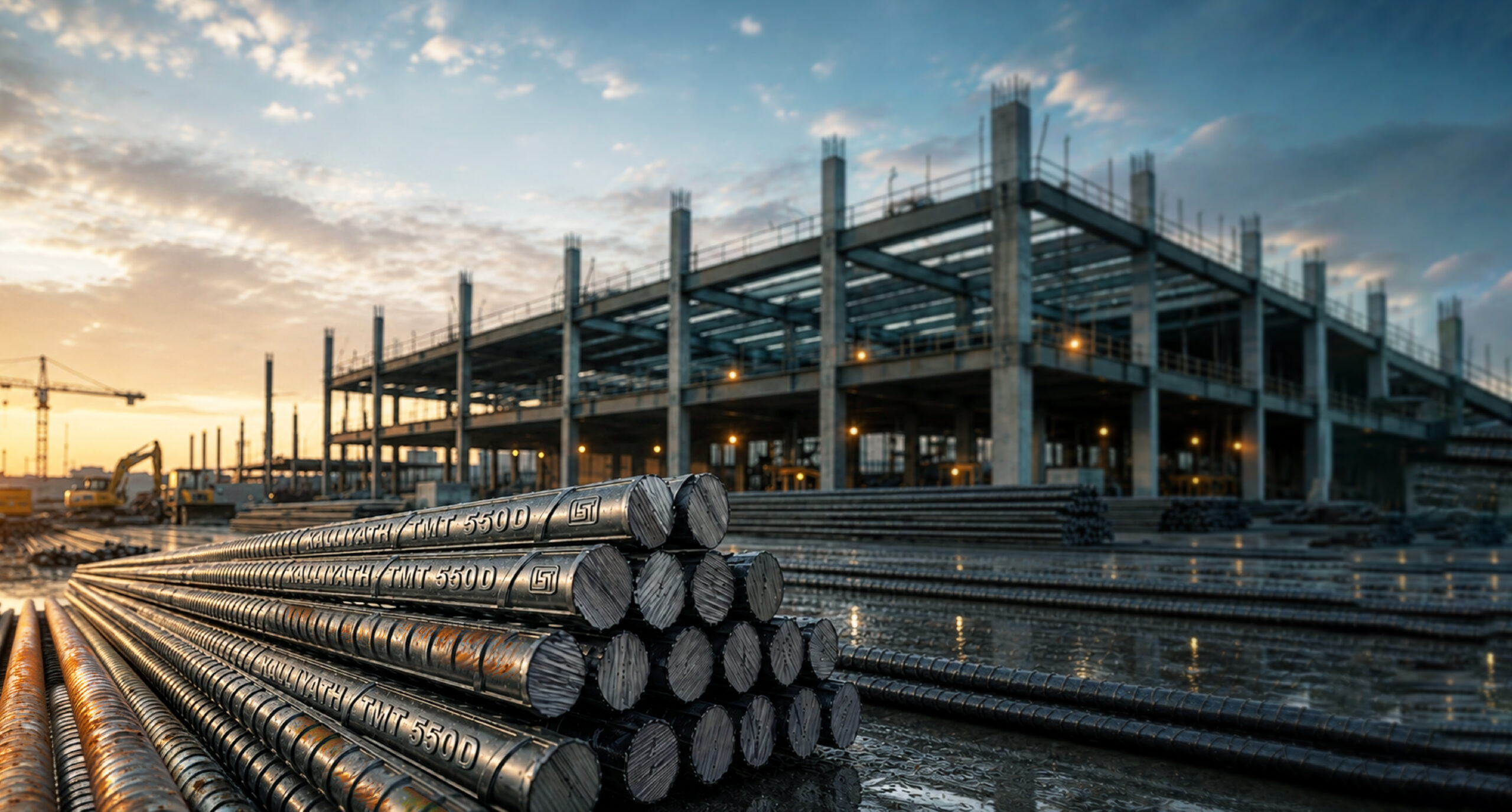
Kerala faces unique environmental conditions. The area has severe monsoons, salt along the coast, moisture-laden air, and sporadic seismic activity. For building materials, these conditions are unfavorable. In coastal towns or places with heavy rainfall, a steel bar that works well in arid interior areas might not work as well. This is why Kerala builders have become more particular about quality and consistency. Kalliyath’s TMT bars are tested for corrosion resistance and fatigue strength, both of which are important for long-term performance in humid and coastal environments. These qualities contribute to the brand's reputation as one of Kerala's top TMT steel bars.

Another practical aspect is workability. On the ground, builders prefer steel that bends smoothly and welds cleanly. If a bar cracks during bending or loses strength after welding, the risk during construction increases. The ferrite-pearlite core in a TMT bar enables it to bend without compromising toughness. This helps engineers and contractors work faster and with fewer rejections. It is a practical advantage that becomes even more relevant as construction methods in Kerala move toward more complex designs and tighter timelines.

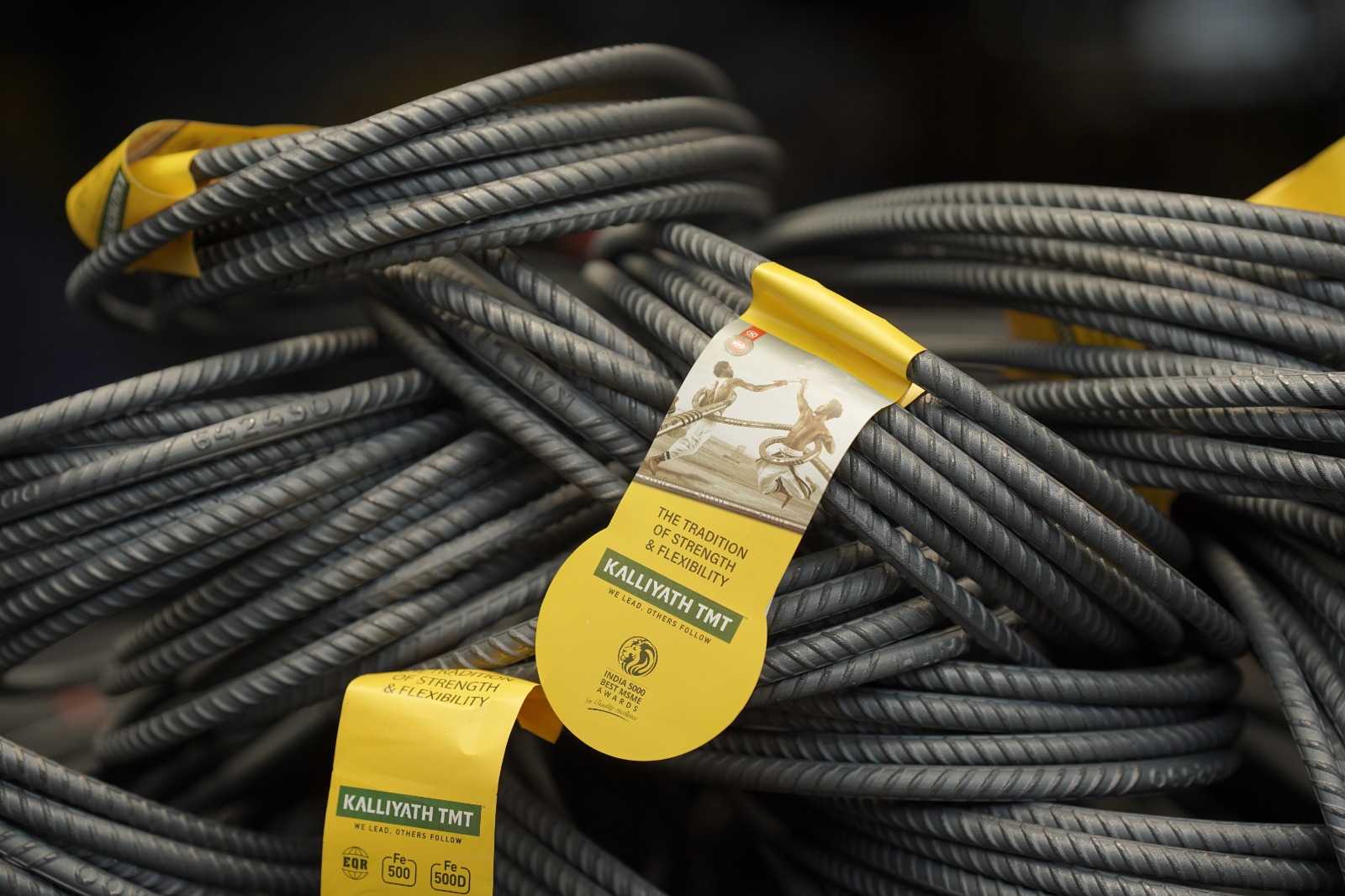
Consumers often get overwhelmed when comparing reinforcement steels. Marketing terms like 'premium steel bars in Kerala' or 'Kerala TMT steel bars' appear everywhere, but the real evaluation is based on metallurgy, certifications, and field performance. Engineers and contractors choose based on consistency, mechanical properties, and durability in local conditions. The demand for TMT bars that combine high strength and high ductility has been growing, and Kalliyath has positioned itself well in that space.

As Kerala continues to build upward and outward, the science behind reinforced concrete will determine how safe and long-lasting these structures remain. In that sense, TMT bars are not just a product choice. They are critical engineering decisions that influence the lifespan and safety of the buildings we rely on every day.